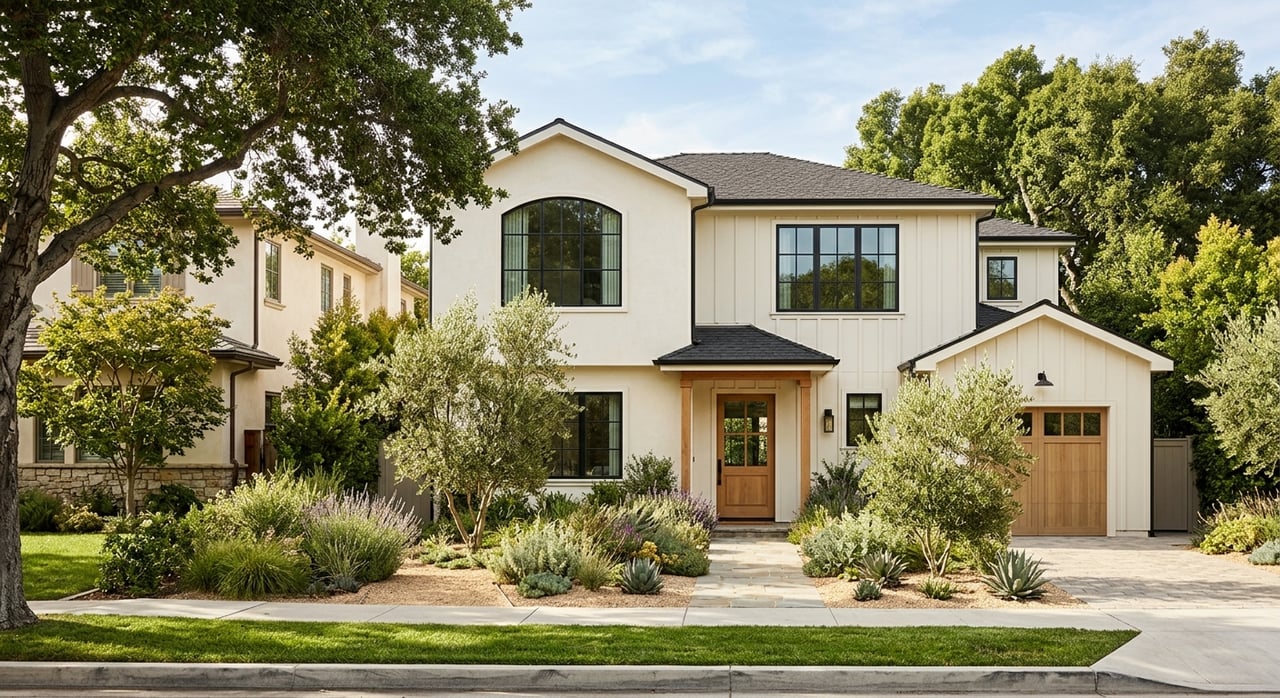
Trying to choose between San Mateo, Belmont, and San Carlos? If you are moving within the Mid-Peninsula or relocating to San Mateo County, these three cities can look similar at first glance, but they live very differently day to day. The good news is that each offers a distinct mix of housing, amenities, and commute patterns, and understanding those differences can help you narrow your search with more confidence. Let’s dive in.
Big-picture differences
At a high level, San Mateo is the largest and most urban of the three. According to the U.S. Census QuickFacts data, San Mateo has 105,661 residents and 12.13 square miles of land area, while Belmont and San Carlos are much smaller at 28,335 and 30,722 residents.
That size difference matters in daily life. San Mateo has a broader commercial footprint, more housing variety, and more transit access. Belmont and San Carlos tend to feel smaller in scale, with a more neighborhood-centered rhythm.
Housing mix and feel
San Mateo: varied and more urban
If you want the widest range of housing options, San Mateo stands out. The city has focused housing planning around multi-family and residential mixed-use development, especially near Downtown, Hayward Park, and Hillsdale, as outlined in its Transit-Oriented Development planning.
In practical terms, that means San Mateo tends to offer the most visible mix of apartments, condos, and mixed-use living. Census data also shows a lower owner-occupied rate at 49.9%, compared with 54.8% in Belmont and 67.8% in San Carlos, which suggests San Mateo may feel more renter- and condo-friendly overall.
Belmont: residential with hills and open space
Belmont offers a different setting. The city describes itself as a place of wooded hills, Bay views, open space, and a small-town ambiance in its 2035 General Plan update materials.
Its land use includes single-family detached homes, clustered townhomes, duplexes, multifamily attached housing, hillside residential open space, and a pedestrian-oriented Belmont Village mixed-use core. That combination gives Belmont a more residential and topographically varied feel than San Mateo.
San Carlos: classic suburban pattern
San Carlos reads as the most classic suburban market of the three. The city’s Housing Element needs assessment states that 72% of the housing stock is single-family attached or detached, while 28% is multifamily.
The city’s planning documents describe older grid-street neighborhoods near downtown, tree-lined residential areas in the south end, predominantly single-family neighborhoods on the east side, and hillside homes in the west. If you picture a compact city with a strong neighborhood structure, San Carlos often fits that image best.
Ownership trends and home values
The three cities also differ in ownership patterns and pricing. Based on Census QuickFacts, San Carlos has the highest owner-occupied rate at 67.8%, followed by Belmont at 54.8% and San Mateo at 49.9%.
Median household income is also highest in San Carlos at $237,470, followed by Belmont at $205,297 and San Mateo at $153,504. Median owner-occupied home values are reported at over $2,000,000 in Belmont and San Carlos, compared with $1,618,700 in San Mateo.
For buyers, that data suggests a simple pattern. San Mateo may offer a broader entry point into the area’s housing mix, while Belmont and especially San Carlos appear more ownership-heavy and more weighted toward higher-value owner-occupied homes.
Parks, open space, and amenities
San Mateo: broadest amenity base
San Mateo offers the broadest amenity mix. The city highlights about 200 acres of open space, more than 13 neighborhood parks, 9 larger community parks, 6 recreation and community centers, 2 pools, and access to the Shoreline regional park system on its parks and open space page.
Two examples help show the range. Central Park anchors downtown with a Japanese Garden, community events, and a recreation center, while Seal Point Park offers Bay Trail access, a dog park, and walking and cycling paths along the marsh.
Belmont: strongest open-space identity
Belmont stands out most for open space. The city lists 14 developed parks and 337 acres of open space, which reinforces its hills-oriented, outdoors-focused character.
Twin Pines Park is one of the city’s signature public spaces. Belmont describes it as a 19-acre ravine park that includes the Belmont Historical Society Museum, Belmont Parks and Recreation, and the Senior and Community Center.
San Carlos: compact downtown focus
San Carlos is defined less by sheer scale and more by a recognizable downtown core. The city’s general plan land use chapter describes Laurel Street as a pleasant pedestrian environment with landscaping, pedestrian amenities, and a centrally located park.
Downtown buildings are typically one to two stories, with storefronts built close to the sidewalk. The city is also advancing a Downtown Specific Plan focused on streetscape, mobility, and public realm improvements, which supports that smaller-scale main street identity.
Shopping and daily rhythm
San Mateo has the largest retail footprint by a wide margin. Census figures cited in the research show 2022 retail sales of $2.01 billion in San Mateo, compared with $399.0 million in Belmont and $789.4 million in San Carlos.
That does not automatically make one city better than another, but it does help explain the feel. San Mateo tends to have a more city-like rhythm, Belmont leans quieter and more residential, and San Carlos centers more of its daily activity around a compact downtown district.
Transit and commute patterns
For buyers who care about commute flexibility, San Mateo has the strongest transit position. The city notes that it is the only Peninsula city with three Caltrain stations: Downtown San Mateo, Hayward Park, and Hillsdale, which supports its more transit-rich feel.
Belmont has one Caltrain station on Ralston Avenue, and San Carlos also has one station, with downtown located about a block away according to city and transit references in the research. If rail access is a major part of your search, San Mateo clearly offers the most station coverage.
Commute times are relatively close, but the averages still give some context. Census data shows average commute times of 24.6 minutes in San Carlos, 26.1 minutes in San Mateo, and 28.5 minutes in Belmont. These are directional averages, not a promise of any one household’s actual commute.
Which city may fit you best?
Choose San Mateo if you want variety
San Mateo may be the best fit if you want:
- More housing types, including condos and mixed-use options
- A larger downtown and retail base
- The strongest transit access of the three
- A more urban, central feel in San Mateo County
Choose Belmont if you want hills and open space
Belmont may be the best fit if you want:
- A quieter residential setting
- Strong access to parks and open space
- Wooded hills and varied topography
- A small-town feel with a modest mixed-use core
Choose San Carlos if you want a classic downtown-centered suburb
San Carlos may be the best fit if you want:
- A compact city with a strong main street identity
- A more ownership-heavy housing market
- A classic suburban feel with many single-family homes
- A walkable downtown environment centered on Laurel Street
If you are deciding between these three cities, the right answer usually comes down to how you want your daily life to feel. Some buyers prioritize transit and housing variety, while others care more about open space, a quieter residential environment, or a compact downtown with a clear neighborhood identity.
That is where local guidance can make the search easier. If you want help comparing homes, timing a move, or understanding which city best matches your goals, connect with Marylene Notarianni for thoughtful Mid-Peninsula guidance and a personalized strategy.
FAQs
Which city feels most urban among San Mateo, Belmont, and San Carlos?
- San Mateo feels most urban because it is the largest city of the three, has the biggest retail base, and is the only one with three Caltrain stations.
Which city has the most open space among San Mateo, Belmont, and San Carlos?
- Belmont stands out for open space, with the city listing 337 acres of open space along with 14 developed parks.
Which city has the strongest classic downtown feel among San Mateo, Belmont, and San Carlos?
- San Carlos is the clearest fit for a classic downtown feel because Laurel Street is described as a pedestrian-oriented main street with small storefronts, landscaping, and a central park.
Which city may be more condo-friendly among San Mateo, Belmont, and San Carlos?
- San Mateo appears more condo- and mixed-use-friendly based on its lower owner-occupied rate and city planning focus on multi-family and mixed-use development.
Which city has the most owner-occupied housing among San Mateo, Belmont, and San Carlos?
- San Carlos has the highest owner-occupied rate at 67.8%, compared with 54.8% in Belmont and 49.9% in San Mateo.