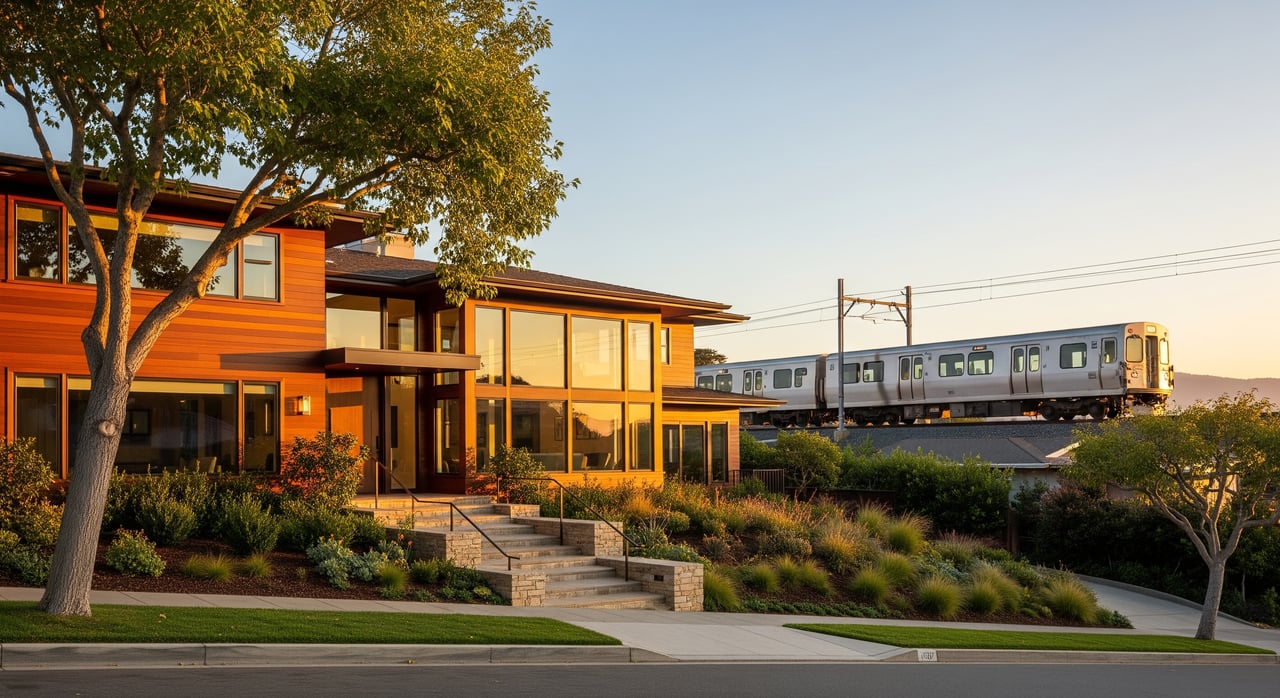
What if your daily commute felt easier, cleaner, and a little more predictable? That is the promise behind Caltrain’s electrification, and it touches almost every block in San Carlos in some way. If you are buying or selling here, you want to know what could change around the station, on nearby streets, and in buyer demand. In this guide, you will learn what the project is, how it can affect property value, and simple steps to make the most of it. Let’s dive in.
Caltrain electrification, in plain English
Caltrain is converting from diesel locomotives to electric trains on the Peninsula corridor. Electric multiple‑unit trains use overhead wires and substations to power service. The result is faster acceleration, cleaner local air, and the potential for more frequent, reliable schedules over time. You can find the official overview on the Caltrain project page for Caltrain Electrification.
Electrification brings station upgrades, new equipment, and operational changes. You may notice different sounds compared with diesel service, along with better on-time performance and shorter dwell times. Construction and service updates happen in phases, so always confirm current details through Caltrain’s alerts and the City of San Carlos before planning your week.
Why San Carlos homeowners should care
For many buyers, commute quality is a top factor. Electric trains can reduce travel-time uncertainty and support more frequent service if the operator increases schedules. That can expand the practical job and school radius for San Carlos residents.
There is also a housing demand angle. Research on transit proximity shows mixed but commonly positive price effects for homes within easy walking distance of high-quality transit. Electrification can strengthen that “transit premium” because service becomes faster, cleaner, and potentially more frequent. Effects vary by block and depend on how the city manages parking, pedestrian access, and noise.
Day-to-day changes you might notice
Noise and vibration
Electric service typically removes the diesel engine rumble and idling noise near stations. You will hear a different acoustic signature: an electrical hum, pantograph contact with overhead wires, and standard wheel‑rail noise at speed. Track work done during electrification can also improve smoothness in some areas, which can help with vibration. Perception varies by distance from the right‑of‑way and train speed near your home.
Air quality and climate benefits
Shifting from diesel to electric traction reduces local diesel particulates and NOx emissions along the corridor. That helps air quality near the station and tracks. The greenhouse-gas impact depends on the electricity mix, and California’s grid is comparatively clean, which supports lower emissions per passenger-mile. For regional air quality context, see the Bay Area Air Quality Management District and the California Air Resources Board.
Parking and traffic near the station
More reliable and attractive rail service often boosts ridership. That can mean higher demand for station parking, more drop-offs, and more pedestrian and bike activity around the station area. Cities respond with permit parking, pricing, or improvements to bike and foot access. Keep an eye on updates from the City of San Carlos for any parking or access changes.
What this can mean for home value
Properties a comfortable walk from the station often benefit most when transit improves. Buyers who value a simpler commute will pay attention to travel-time reliability and frequency. If electrification reduces delays and improves service quality, it can make these homes more attractive.
At the same time, there are trade-offs to evaluate. A home that fronts the tracks can experience more direct sound exposure, even if the sound character changes with electric service. Parking pressure on nearby blocks can also rise if curb policies do not keep up. Market outcomes are not uniform, so compare features home by home.
Construction and safety basics
Electrification requires poles, wires, substations, and some platform work. That can create temporary road and sidewalk closures, noise from construction, and station access changes. Schedules shift, so use Caltrain’s service alerts for short-term updates and the San Mateo County Transportation Authority for long-term corridor investments like grade separations. Grade separations remove street crossings of the tracks, improving safety and reducing gate delays, but they take years and significant funding.
High-voltage wires stay within the rail right-of-way and are protected with fencing and signage. As always, use designated crossings, obey posted warnings, and teach kids to stay clear of the right-of-way.
Buyer checklist near San Carlos Station
Use this quick, practical checklist if you are considering a home near the corridor:
- Visit during peak and off-peak hours. Listen for noise, watch foot traffic, and check parking utilization on the block.
- Confirm current and planned train service. Review Caltrain alerts for schedule changes that could affect your commute.
- Ask about planned projects. Check the City of San Carlos for station-area plans, parking updates, and construction notices.
- Assess last-mile options. Look at sidewalks, bike lanes, bike parking, and shuttles to estimate door-to-door time.
- Consider sound mitigation. Double- or triple-pane windows and door seals can make a noticeable difference inside.
Seller playbook if you live near the corridor
If you plan to sell near the station or tracks, present a balanced, data-informed story:
- Highlight the commute advantage. Buyers value reliability and access to job centers. Speak to service quality improvements rather than making guarantees.
- Prepare for noise and safety questions. Offer practical info on soundproofing you have completed and share resources for official updates.
- Document neighborhood investments. Station improvements, crosswalk upgrades, or parking management changes show proactive planning. Link to city notices where appropriate.
- Time your listing thoughtfully. Avoid major construction milestones or weekend service interruptions when possible. Confirm schedules through Caltrain alerts.
Zoning, TOD, and long-term planning
Better transit often prompts cities to plan more housing and mixed-use near stations. San Carlos may consider station-area updates, parking rules, or pedestrian improvements over time. Follow the City’s planning and public works pages for proposals and timelines so you can factor them into your decision-making. Regional context from the Metropolitan Transportation Commission and funding updates from the San Mateo County Transportation Authority can help you understand the long arc of corridor projects.
How to evaluate a specific property
Each home’s exposure and benefits are different, even within the same neighborhood. Here is a simple framework:
- Distance and orientation. How far is the front door from the station or tracks, and where do primary bedrooms face?
- Access and walkability. Are sidewalks continuous, and how safe does the route feel at different times of day? Test the walk in both daylight and evening.
- Interior comfort. Listen inside with windows open and closed. If needed, budget for upgraded windows or seals.
- Parking dynamics. Check block-by-block parking conditions on weekdays and weekends, morning and evening.
- Future outlook. Scan city agendas for station-area plans, parking pilots, or grade-separation studies that might improve circulation.
How Notarianni Real Estate Group can help
You deserve a calm, well-planned move that accounts for today’s market and tomorrow’s transit changes. Our team pairs boutique, hands-on guidance with Compass tools to solve the details that drive results. For sellers, we use Compass Concierge to prepare and present your home at its best, and Coming Soon exposure to build demand before launch. For buyers, we streamline timing and financing options, including bridge-loan solutions when needed.
We live and work across the Mid-Peninsula, so we know the block-by-block nuances around San Carlos Station. If you want a data-informed plan for pricing, prep, and timing, we are ready to help.
Ready to map your next move with clear steps and smart timing? Connect with Marylene Notarianni to request a free home valuation and a plan tailored to your goals.
FAQs
Will electrification raise San Carlos home values?
- It can, especially for homes with convenient station access, but results vary by distance to the tracks, neighborhood features, and local parking and planning policies.
Are electric trains louder than diesel near homes?
- Overall noise often decreases without diesel engines, though the sound character changes to electrical and wheel‑rail noise; perception depends on distance and speed.
How will parking change near San Carlos Station?
- Higher ridership can increase demand for station and curb parking; cities often manage this with permits, pricing, or access improvements for walkers and cyclists.
Is the overhead wire system dangerous for nearby properties?
- The catenary is high voltage but confined to the rail right-of-way with fencing and signage; standard public safety practices keep the public separated from the equipment.
Where can I find current service and construction updates?
- Use Caltrain alerts for near-term changes and the City of San Carlos and SMCTA for project and corridor updates.
What should sellers disclose about nearby rail work?
- Share any known city or agency notices about construction, access changes, or easements as required, and document sound-mitigation upgrades you have completed.