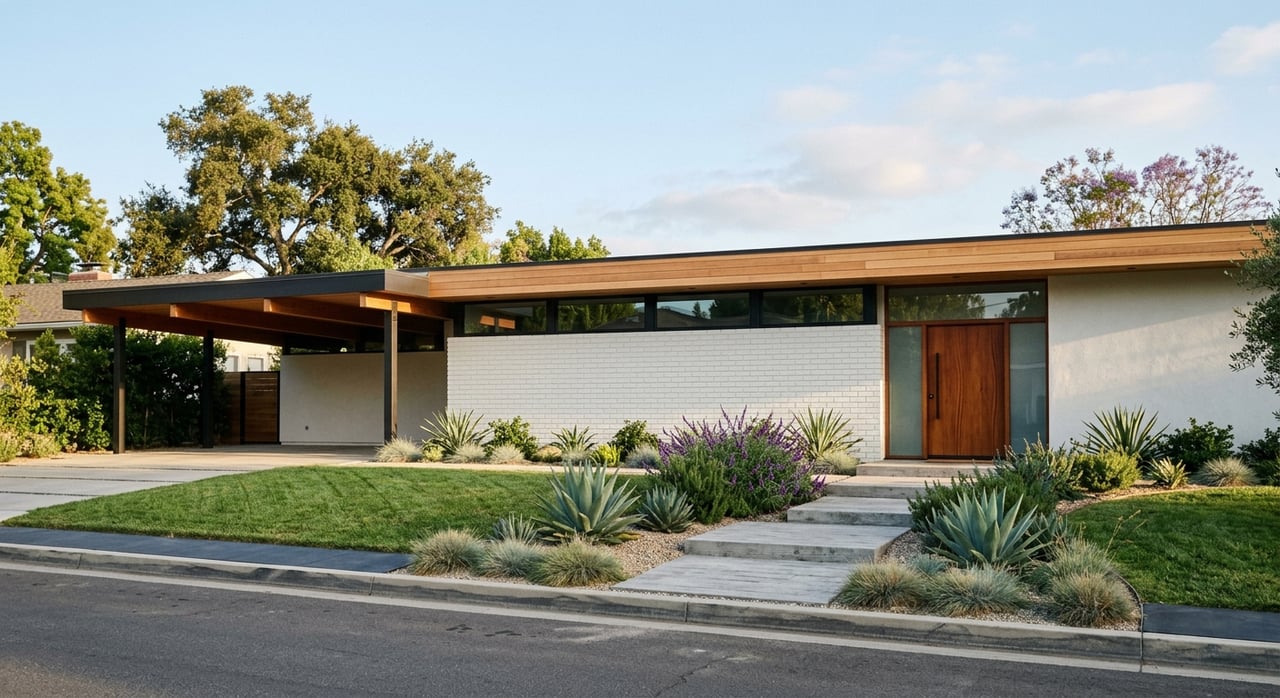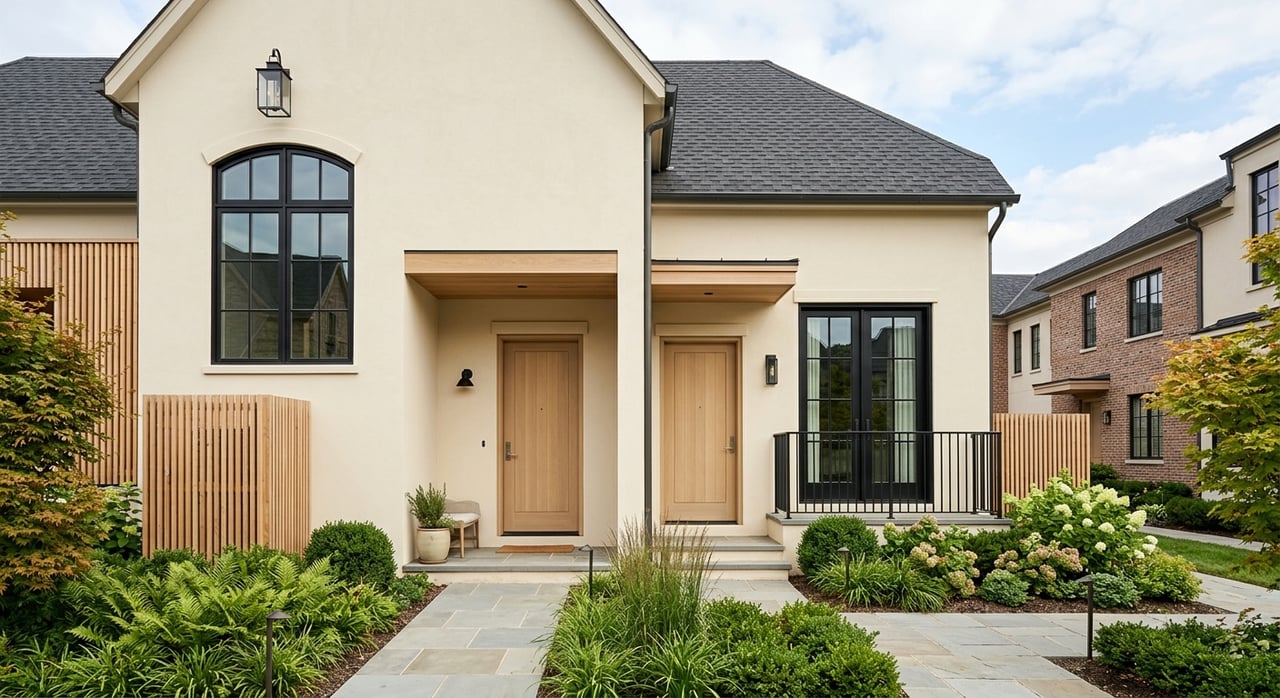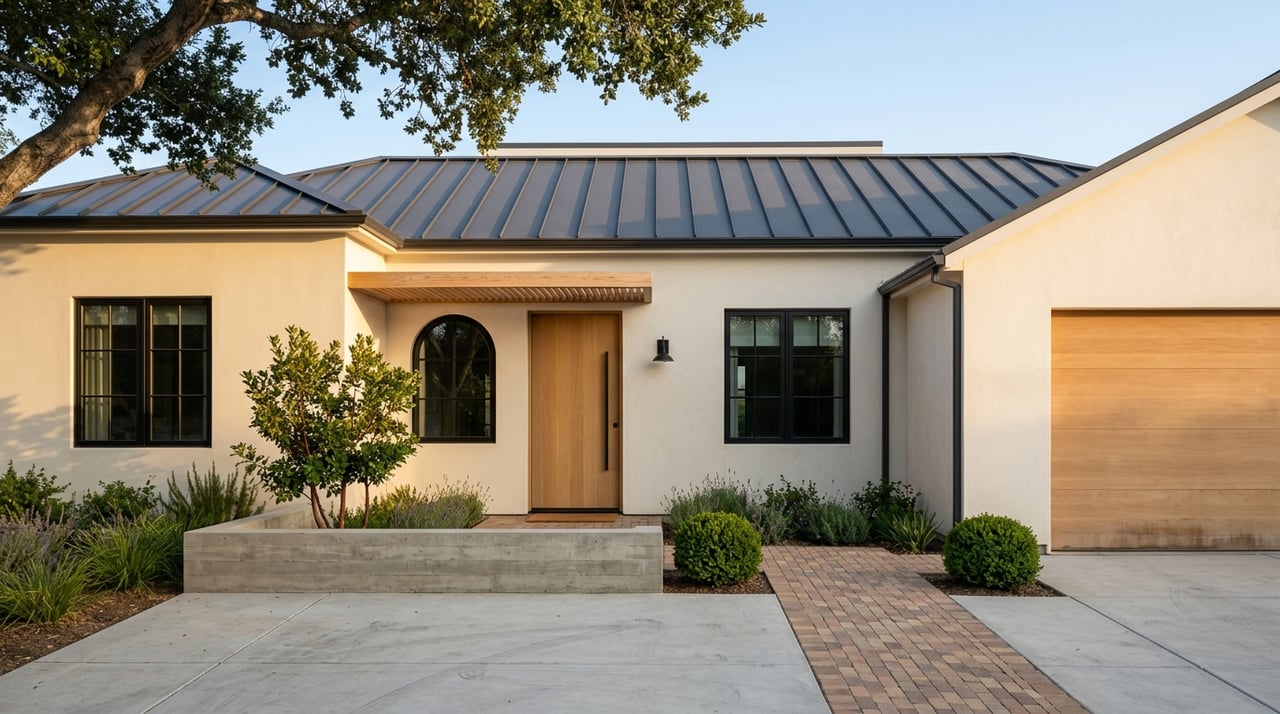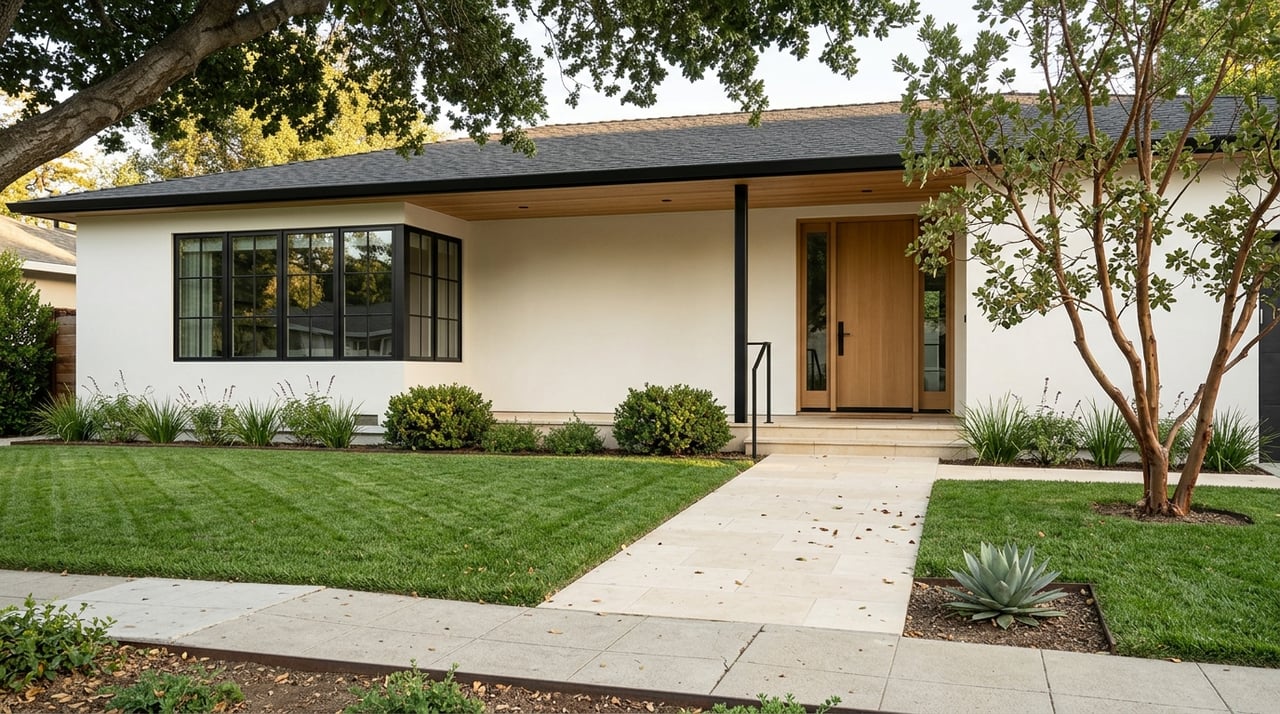
Trying to decide between a condo and a house in Redwood City? You are not alone. With prices high across San Mateo County, the right choice can shape your budget, commute, and day-to-day lifestyle. In this guide, you will learn how costs, HOA rules, outdoor space, and long-term flexibility compare so you can buy with confidence. Let’s dive in.
Redwood City market snapshot
Redwood City remains a competitive Mid-Peninsula market. Recent reports place the overall median sale price around $1.8 million, with single-family homes often in the $1.9 to $2.1 million range and condos typically lower. One recent quarterly report showed a condo median near $789,000, though condo medians can swing with small sample sizes and new-build closings.
For ongoing costs, California’s base property tax is 1 percent of assessed value. The San Mateo County average effective rate is about 1.122 percent when you include voter-approved bonds and assessments. You can confirm the rate and any parcel-specific charges on the county tax bill, but the county average is a useful planning anchor. See the county’s published rate overview in the California State Board of Equalization’s report for context: San Mateo County average effective rate.
Monthly costs: condo vs house
Purchase price and down payment
Condos and townhomes usually offer a lower entry price in Redwood City, which can reduce your down payment and help with loan qualification. Single-family homes cost more upfront, and qualifying income needs for median-priced houses in San Mateo County are high. If you are weighing both options, ask your lender to run side-by-side scenarios that include not just the mortgage, but taxes, insurance, HOA dues, and reserves for maintenance.
Property taxes and assessments
Property tax applies at the same percentage to condos and houses because it is based on assessed value. Use the county average of about 1.122 percent for early estimates, then confirm the exact parcel rate plus any Mello-Roos or special assessments with the title report and county bill. Learn more about how the average rate is calculated here: California BOE county rates.
HOA dues: coverage and range
Redwood City condo and townhome HOA dues commonly fall between about $250 and $900-plus per month. Dues typically cover exterior and common-area maintenance, landscaping, garbage, reserves for major repairs, and upkeep for amenities like pools, gyms, and elevators. What varies by building: whether water, trash, and earthquake insurance are included, and the strength of the reserve fund.
Before you commit, review the HOA documents closely. Ask for the CC&Rs, most recent budget and reserve study, master insurance summary, meeting minutes, and any notices of special assessments or litigation. State law continues to evolve around HOA reserves and assessments. For a plain-English view of recent legislative changes affecting HOAs, see this overview: HOA governance updates.
Maintenance: who pays for what
With a condo, the HOA handles exterior maintenance, which you fund through monthly dues. Inside the unit, you are responsible for normal wear and repairs. With a single-family home, you cover everything. A common planning rule is to budget about 1 to 4 percent of the home’s value per year for maintenance and capital reserves, depending on age and condition. Learn more about the 1 to 4 percent guideline here: home maintenance budgeting basics.
Insurance differences
Condo owners usually carry an HO-6 policy that covers interior finishes, personal property, liability, and often a loss-assessment endorsement to help with HOA master-policy gaps. Detached-home owners typically carry an HO-3 policy that insures the full structure and other structures on the property. Earthquake and flood are usually separate in both cases. A quick primer on policy types is here: HO-6 vs HO-3 coverage.
Closing costs and timeline
In California, closings follow standard escrow practices. Expect prorations for taxes and HOA dues if applicable, plus HOA transfer and document fees for condos and townhomes. After a purchase, watch for a supplemental tax bill when the county reassesses the property. Your escrow officer will outline all expected charges so you can plan cash-to-close accurately.
Lifestyle fit by location
Downtown and transit access
If you want a short walk to restaurants, events at Courthouse Square, and frequent Caltrain service, downtown condos and townhomes deliver convenience. The Redwood City Caltrain station at 1 James Ave is a busy commuter hub with short rides to nearby Peninsula cities. See station details and service patterns here: Redwood City Caltrain station. For many buyers, the tradeoff for walkability is smaller private outdoor areas and structured parking.
Suburban pockets and outdoor space
If you value a private yard, garage storage, and room to garden or entertain, look to neighborhoods with more single-family homes, including parts of Mount Carmel, Emerald Hills, and Redwood Shores. A house can offer more privacy and customization potential, like EV charging, solar placement, or future room additions, subject to permits and setbacks.
Parking, pets, and everyday ease
Condos and townhomes often assign one or two parking spaces and may limit on-street or guest parking. HOAs also set rules for pet counts, sizes, and common-area use. Single-family homes typically provide driveways and garages, which can reduce reliance on street parking and simplify daily logistics.
Environmental risk check
Parts of Redwood City’s shoreline and Redwood Shores have documented flood and sea-level rise exposure. That does not rule out a purchase, but it should guide due diligence. Review FEMA flood maps, the city’s sea-level planning resources, and your insurance options. Compare low-lying condo locations with houses on higher ground to understand cost and resilience differences.
Flexibility, renting, and resale
ADU potential with a house
Adding an accessory dwelling unit can unlock flexibility for multigenerational living or long-term rental income. Redwood City allows ADUs and junior ADUs with specific size and setback rules, and the city provides helpful guidance. Explore the city’s current ADU resources here: Redwood City ADU program.
HOA rules on rentals and use
If you are considering a condo or townhome, read the CC&Rs to understand rental caps, short-term rules, pet policies, and use-of-common-area guidelines. Recent California laws have adjusted what HOAs can regulate and how reserves and assessments are managed. You can scan summaries of relevant updates here: Davis-Stirling and HOA updates.
Resale dynamics
Over time, single-family homes tend to command a premium because they include land, and they often draw strong demand from buyers seeking space and privacy. Condos and townhomes are more sensitive to new supply and building-level dynamics. Local snapshots show a sizable gap between house and condo medians, with a recent quarterly report placing the condo median near $789,000. For current Redwood City condo trend context, see: PropertyShark market trends.
A quick decision guide
Choose a condo or townhome if you want:
- Lower entry price and predictable monthly costs.
- Minimal exterior maintenance and on-site amenities.
- Walkable access to downtown dining, events, and Caltrain.
Choose a single-family home if you want:
- A private yard, more storage, and greater privacy.
- Flexibility to add space over time, including ADU potential.
- Fewer community rules and more control over your property.
How to compare monthly costs in 15 minutes
- Call your lender for two written scenarios: typical Redwood City condo vs single-family home.
- Include mortgage, property tax at about 1.122 percent, homeowner’s insurance, and an HOA dues estimate for the condo scenario.
- Add a monthly maintenance reserve: 1 to 4 percent of home value per year divided by 12. See the maintenance budgeting basics.
- Ask your agent to flag any Mello-Roos or special assessments that would affect your monthly outlay.
Six questions to ask the HOA or listing agent
- Can I see the CC&Rs, most recent budget, and reserve study summary?
- What does the master insurance policy cover, and is earthquake included?
- What is included in monthly dues: water, trash, gas, internet?
- Have there been any special assessments or major repairs in the past 5 years?
- Are there rental caps, pet rules, or short-term rental restrictions?
- What is the parking arrangement and how many deeded or assigned spaces are included?
Next steps
You do not need to guess. Tour a downtown condo and a nearby single-family home back to back to feel the lifestyle and cost differences. Then review your monthly scenarios and HOA documents side by side. If you are trading up or relocating, we can help you time the move, prepare a listing that shines, and compete with confidence on your purchase.
Ready for personal guidance on Redwood City condos and houses? Reach out to Marylene Notarianni for a calm, data-backed plan tailored to your goals.
FAQs
What are typical Redwood City condo HOA dues?
- Many local condos and townhomes show dues between about $250 and $900-plus per month, depending on age, amenities, reserves, and what utilities are included.
How do property taxes compare for condos vs houses in San Mateo County?
- The same percentage applies to both because taxes are based on assessed value; the county’s average effective rate is about 1.122 percent, per the California BOE.
Is commuting easier from a downtown Redwood City condo?
- If you use Caltrain, yes, living near the station can cut your last-mile time; the Redwood City station is a frequent hub, and many local trips are under 10 minutes.
Can I add an ADU to a Redwood City single-family home?
- Often yes, subject to size, setback, and utility rules; review the city’s current standards and process here: Redwood City ADU program.
Do condo HOAs include earthquake insurance in Redwood City?
- It varies by building; check the master policy to see if earthquake is included and consider an HO-6 loss-assessment endorsement for gaps.
Which appreciates better in Redwood City: condos or houses?
- Patterns vary by cycle, but single-family homes often carry a land premium and broader buyer demand; recent snapshots show condos with lower medians, such as the PropertyShark quarterly report near $789,000.