Looking for the right part of Redwood City can feel surprisingly complex. One area puts you steps from Caltrain and dining, while another centers on lagoons, shoreline paths, or quieter residential streets. If you want a clearer way to match your daily routine to the right neighborhood, this guide will walk you through the main lifestyle categories in Redwood City and help you narrow your search with confidence. Let’s dive in.
Redwood City at a glance
Redwood City offers a wide mix of neighborhood settings within one city. According to the city, its recognized neighborhood map includes 17 neighborhood associations, and those boundaries are meant to reflect community character rather than HOA lines.
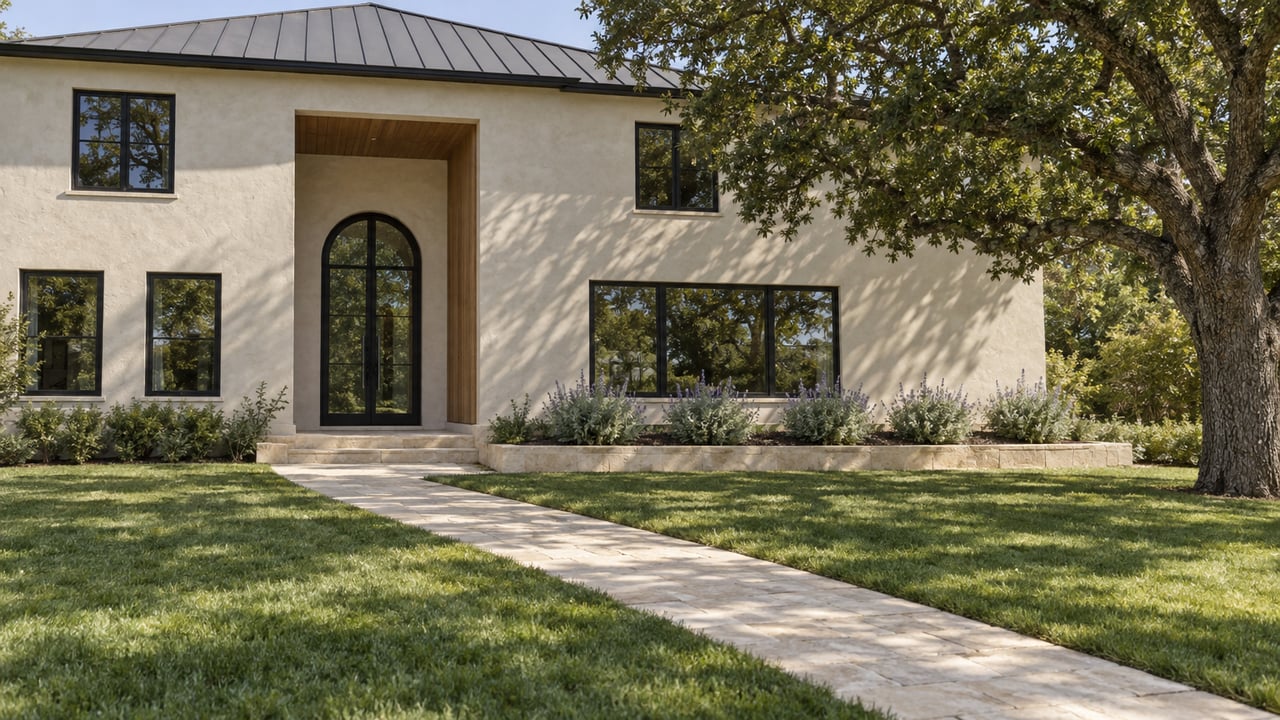
That variety shows up in the housing stock too. The city’s planning documents describe neighborhoods that developed across different periods, with styles that range from Victorian and early Craftsman homes to 1920s and 1930s revival architecture and more contemporary designs.
Location is a major part of the appeal. Redwood City sits about 25 miles south of San Francisco and 27 miles north of San Jose, with access from Highways 101 and 280.
Downtown for walkable living
If your ideal day includes coffee, dinner out, local events, and an easy train connection, Downtown Redwood City is usually the first place to consider. The city describes Downtown as its primary live-work-play district, with more than 75 restaurants, hundreds of retail and personal-services businesses, and a strong entertainment scene.
This is also the clearest fit for buyers who want a car-light routine. The Redwood City Caltrain stop is in the heart of Downtown, several bus lines stop within blocks of Courthouse Square, and the city maintains garages, surface lots, and on-street parking for those who still drive.
Housing in the core tends to lean more toward apartments and condos. If you want single-family options while staying close to the action, nearby neighborhoods may offer a better balance.
Who Downtown fits best
Downtown may be a strong match if you want:
- Walkable access to dining and entertainment
- Direct Caltrain access for commuting
- A more urban, connected daily routine
- Condo or apartment-style living near the city core
Redwood Shores for waterfront living
If you picture trails, shoreline scenery, and a more planned-community setting, Redwood Shores deserves a close look. The city says the lagoon is the focal point of housing and retail development and supports boating, swimming, and windsurfing.
The area also stands out for outdoor access. City information points to shoreline parks, the Shores Dog Park, and ongoing work focused on Bay Trail access, resiliency, and new shoreline connections.
Housing here is generally more association-oriented and water-focused than in older parts of Redwood City. The neighborhood includes condos, townhomes, and single-family homes, with many homes oriented toward waterways, greenbelts, and lagoon views.
The tradeoff is daily convenience. Redwood Shores is usually more car-dependent than Downtown, though it does offer bus access and strong freeway convenience via US-101.
Who Redwood Shores fits best
Redwood Shores may be a strong match if you want:
- Waterfront or lagoon-centered surroundings
- Planned-community living
- Access to shoreline parks and trails
- A mix of condos, townhomes, and single-family homes
Woodside Plaza for classic post-war streets
Woodside Plaza often appeals to buyers who want a traditional suburban feel without moving far from the center of the city. The city’s general plan describes it as a post-war neighborhood with one- and two-story homes, a curving street layout, wide streets, mature trees, and a central park.
The neighborhood is about 2.5 miles from Downtown. Housing commonly includes ranch-style and split-level homes, along with some condominium complexes along Woodside Road.
For many buyers, the appeal is straightforward. You get a more residential environment, familiar suburban street patterns, and relatively close-in convenience.
Roosevelt for close-in neighborhood feel
Roosevelt is another option for buyers who want to stay near the core while shifting into a quieter residential setting. It is described as a walkable suburban neighborhood just south of Downtown.
The housing mix includes ranch, bungalow, Craftsman, and Mediterranean Revival homes along gridded streets. That range can be appealing if you like architectural variety without moving into a more remote part of the city.
Roosevelt can be a practical middle ground. You stay connected to central Redwood City while enjoying a more neighborhood-oriented feel.
Redwood Oaks and Redwood Village for quieter convenience
Redwood Oaks and Redwood Village are worth comparing if you want a quieter setting that still keeps Downtown within reach. Redwood Oaks is described as less than two miles from Downtown, with moderate walkability and bikeability, though public transit is more limited.
Homes in Redwood Oaks commonly include ranch-style, bungalow, and Craftsman architecture. That gives the area a more established residential character.
Redwood Village is described as a quiet neighborhood with mid-century ranch homes, split-levels, and bungalows. One notable convenience is its walking bridge to Downtown over Woodside Road, which can make central amenities feel closer than you might expect.
Best close-in suburban picks
If you want close-in suburban living, these areas often rise to the top:
- Woodside Plaza for post-war streets, mature trees, and central park access
- Roosevelt for a walkable residential setting near Downtown
- Redwood Oaks for established homes and moderate walkability
- Redwood Village for quiet streets and a practical path toward Downtown
Farm Hill for hills and park access
If you want more terrain, broader views, and a setting that feels less flat and more tucked into the landscape, Farm Hill is a strong candidate. It is described as a primarily residential midcentury community with hillside homes, roughly 3 miles from Downtown.
The city’s design study places Farm Hill in the hillside-neighborhood category, where homes follow the contours of the terrain. That can create a very different feel from the flatter grid neighborhoods closer to the city core.
Outdoor access is another draw. The city says Stulsaft Park spans 42 acres and includes trails, picnic areas, playgrounds, and an off-leash dog area.
Mount Carmel for historic character
Mount Carmel stands out if you are drawn to older, lower-density housing and a more historic streetscape. The city places Mt. Carmel in its Historic Influence Low Density Neighborhood typology.
City planning documents also note that early neighborhoods around Downtown and El Camino Real have potential historic-district character. In practical terms, Mount Carmel is a helpful shorthand for buyers who prefer established neighborhood fabric over a condo-heavy or apartment-centered environment.
This does not mean one lifestyle is better than another. It simply means Mount Carmel may suit you if architectural history and traditional neighborhood character are high on your list.
How to choose the right fit
The best Redwood City neighborhood usually comes down to how you want your week to feel. Start with your daily routine, then match it to the type of environment that supports it.
A simple way to narrow the field is to ask yourself these questions:
- Do you want to walk to restaurants, events, and Caltrain?
- Do you want water access, trails, or shoreline scenery?
- Do you prefer flatter suburban streets or hillside terrain?
- Are you hoping for condo living, a townhome, or a single-family home?
- Do you want historic character or a more post-war residential setting?
Based on the city’s framework and neighborhood descriptions, here is a practical starting point:
| Lifestyle priority | Neighborhoods to start with |
|---|---|
| Walkability, dining, train access | Downtown |
| Waterfront, trails, planned setting | Redwood Shores |
| Traditional suburban convenience | Woodside Plaza, Roosevelt, Redwood Oaks, Redwood Village |
| Hills, mature landscape, park access | Farm Hill, Mount Carmel |
Why lifestyle matters in Redwood City
In a market like Redwood City, square footage and price are only part of the decision. The bigger question is how a neighborhood supports your commute, weekends, housing preferences, and pace of life.
That is especially important for relocation buyers and move-up buyers comparing several Mid-Peninsula cities at once. Redwood City offers enough variety that you can often find a better lifestyle fit by getting more specific about what matters most to you.
If you are weighing where to focus your search in Redwood City, a neighborhood-first strategy can save time and help you compare options more clearly. For tailored guidance on Redwood City neighborhoods and available homes, connect with Marylene Notarianni.
FAQs
Which Redwood City neighborhood is best for walkability and Caltrain access?
- Downtown Redwood City is the strongest option if you want walkable dining, entertainment, and direct access to the Caltrain station.
Which Redwood City neighborhood is best for waterfront living?
- Redwood Shores is the main choice for waterfront and lagoon-oriented living, with shoreline parks, trail access, and a mix of housing types.
Which Redwood City neighborhoods feel more suburban but stay close to Downtown?
- Woodside Plaza, Roosevelt, Redwood Oaks, and Redwood Village are all useful areas to compare if you want a quieter residential setting with close-in convenience.
Which Redwood City neighborhood has more hills and park access?
- Farm Hill is a strong fit if you want hillside terrain, more varied topography, and access to Stulsaft Park.
Which Redwood City neighborhood is known for historic character?
- Mount Carmel is a strong area to consider if you prefer older, lower-density housing and a more historic neighborhood setting.