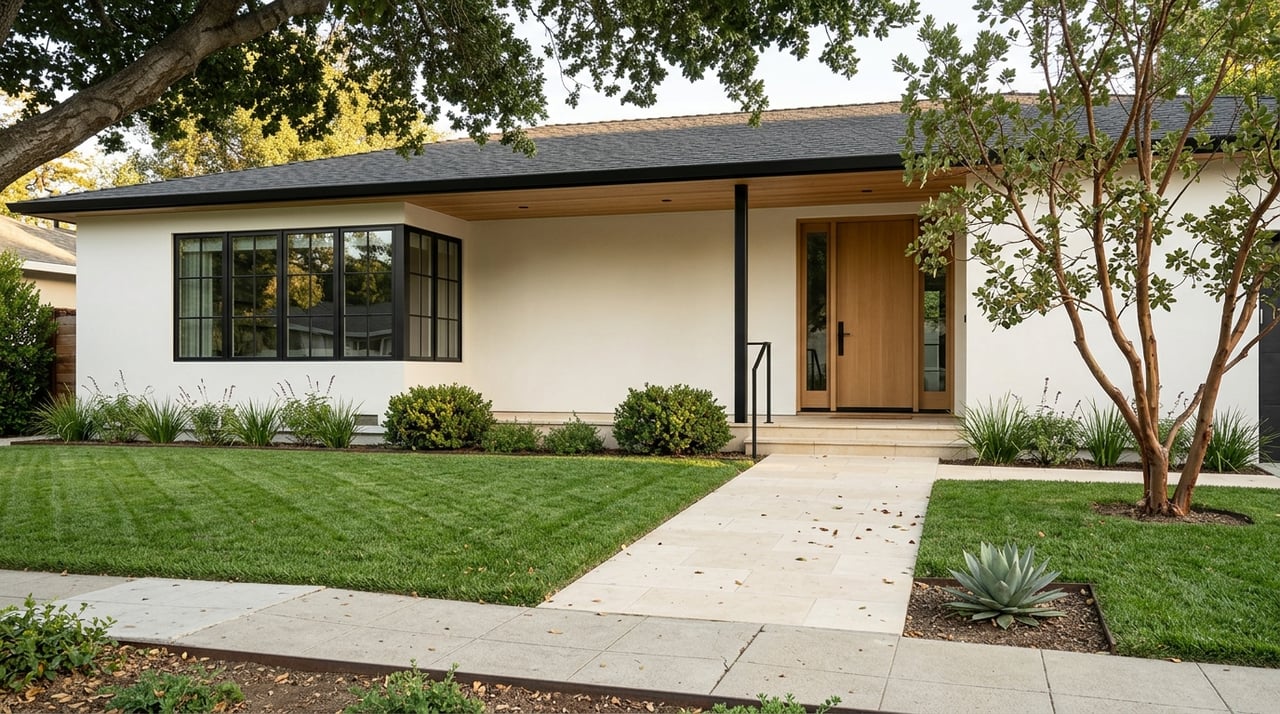
Choosing between West Menlo Park and Allied Arts often comes down to one simple question: what kind of home setting fits your daily life best? If you are searching in Menlo Park, these two areas can both offer attractive detached homes, mature trees, and a strong residential feel, but the home styles and neighborhood patterns are not the same. Understanding those differences can help you focus your search, compare homes more confidently, and make a decision that feels right for the long term. Let’s dive in.
West Menlo Park and Allied Arts at a Glance
Both West Menlo Park and Allied Arts are known for residential character, but they sit in different contexts within greater Menlo Park. Allied Arts, often referenced with Stanford Park in city planning materials, sits just southeast of Downtown Menlo Park and is bounded by Middle Avenue, El Camino Real, San Francisquito Creek, and Arbor Road.
West Menlo is described in city documents as tree-lined and more auto-oriented. It is also worth noting that Menlo Park permit and GIS materials indicate that West Menlo Park can refer to an unincorporated San Mateo County area outside city limits, so buyers may see the name used in slightly different ways depending on the source.
Allied Arts Home Styles
Older Neighborhood Character
Allied Arts is one of Menlo Park’s older neighborhoods, according to the city’s community-character report. That older fabric often shows up in the scale of homes, the rhythm of the streets, and the presence of mature trees that give the area a settled feel.
If you are drawn to neighborhoods with a long-established look, Allied Arts may stand out quickly. The area is described as having small older residences, long narrow parcels, and strong walkability, which shapes how the homes sit on their lots and how the streets feel as you move through them.
Common Architectural Styles
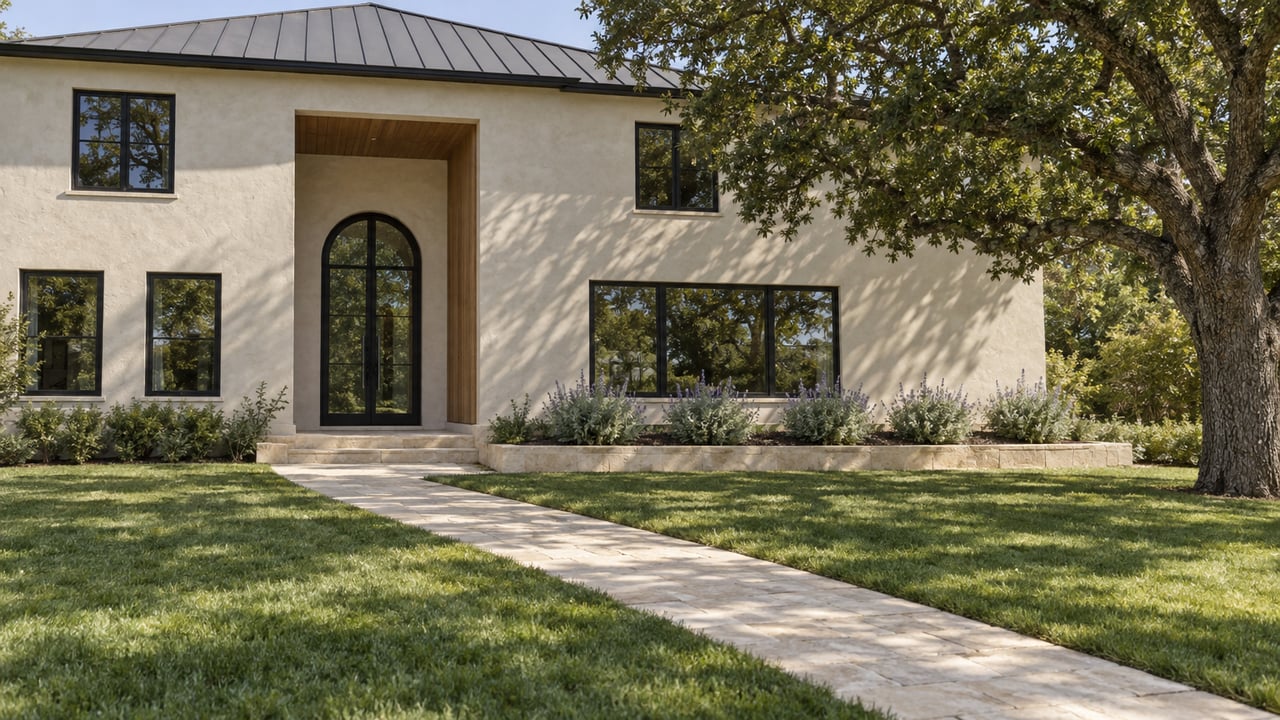
City planning materials describe Allied Arts homes as mostly one- and two-story residences in ranch, Craftsman, Spanish revival, and other traditional styles. That mix creates visual variety without losing a cohesive neighborhood feel.
In practical terms, you may notice homes with more classic lines, modest footprints, and details that reflect earlier eras of Peninsula development. For buyers who appreciate character over sheer scale, this can be a meaningful advantage.
Typical Lots and Layout
Allied Arts typically features smaller-to-mid-sized parcels compared with West Menlo. Menlo Park’s existing-conditions report says typical parcel sizes here are about one-sixth of an acre.
Illustrative listing samples support that general pattern, with examples around 7,440 to 7,800 square feet. These examples are not neighborhood-wide averages, but they help show the more compact lot pattern buyers often encounter in Allied Arts.
West Menlo Park Home Styles
Broader Range of Home Sizes
West Menlo is also primarily made up of detached single-family homes, but the housing stock is more varied in size, style, and scale. City materials note that the area includes some of Menlo Park’s larger residential parcels.
That difference matters if you want more breathing room around the home or are comparing properties where lot size plays a big role in value and usability. West Menlo often feels more expansive from the street because of that broader range of parcel sizes.
Common Architectural Styles
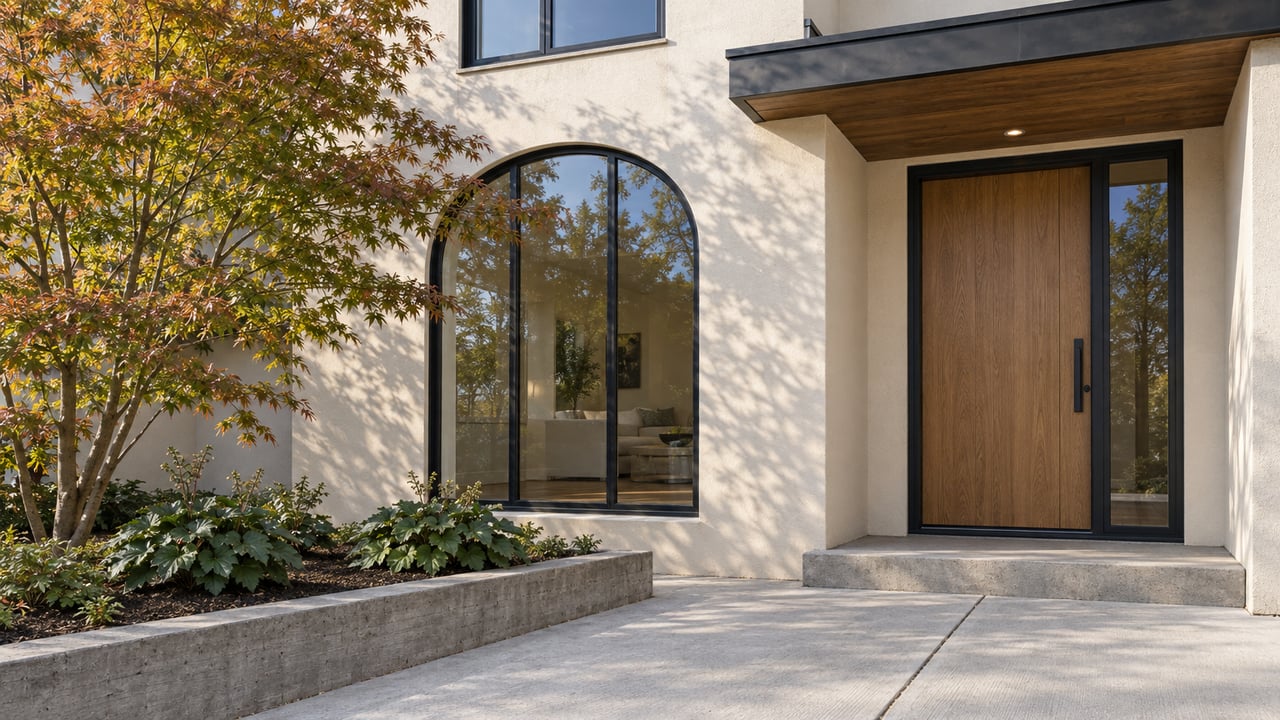
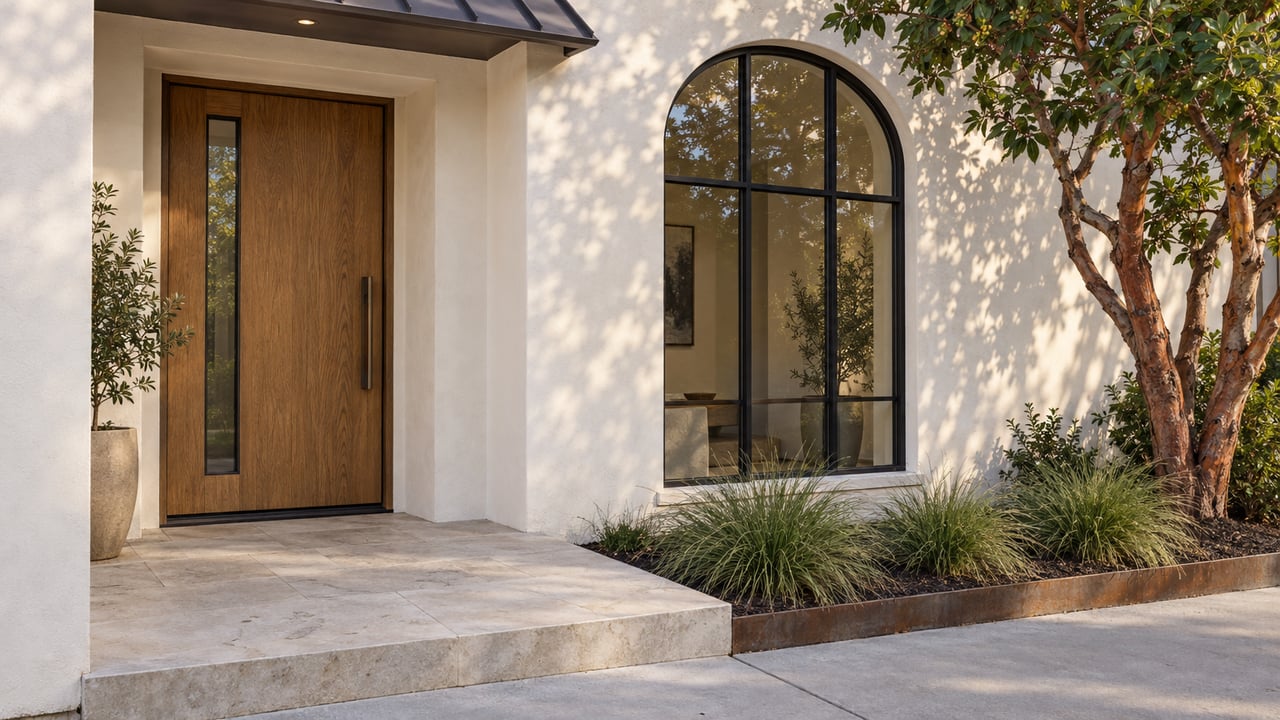
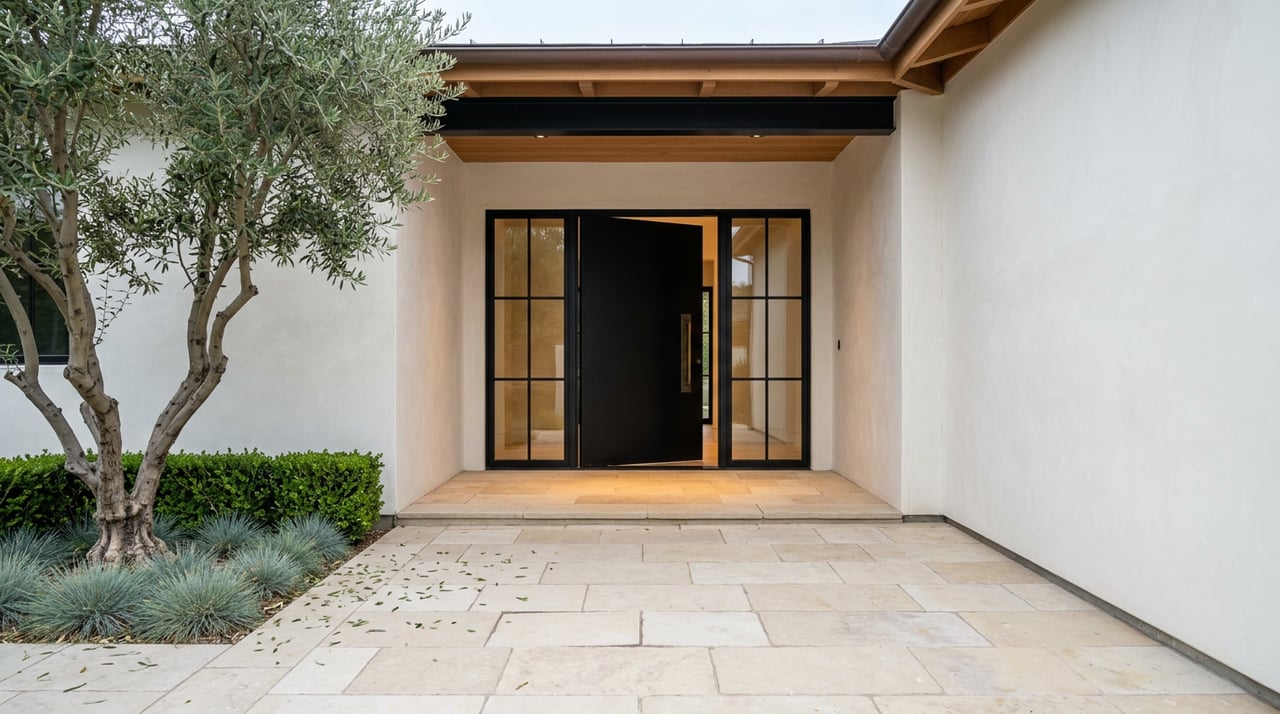
Planning and neighborhood descriptions point to ranch, Period Revival, contemporary, modern farmhouse, and Craftsman examples in West Menlo. That makes the area appealing if you want a wider spread of design choices.
Some buyers are looking for a more traditional ranch layout, while others prefer updated or newer-looking design language. West Menlo tends to offer more variety on that front, especially when compared with the older, tighter neighborhood pattern in Allied Arts.
Larger Parcels and Site Feel
The city’s reports say West Menlo contains some of the city’s bigger residential parcels. Illustrative listing examples align with that, showing lots around 10,000 to 10,880 square feet.
Again, those sample listings are not formal neighborhood medians. Still, they reinforce the broader planning pattern: West Menlo often appeals to buyers who want larger lots and a more spacious site layout.
How the Neighborhood Setting Shapes the Homes
Allied Arts Feels More Connected
Because Allied Arts sits next to Downtown Menlo Park and along the El Camino Real corridor, the neighborhood feels more connected to shops, services, and daily errands. City materials describe the area as having excellent walkability and interconnectivity.
This setting influences how the homes feel in everyday life. Even if you are focused mainly on architecture, the tighter street grid and easier access to Downtown can make a house in Allied Arts feel more integrated into a lively local pattern.
West Menlo Feels More Residential
West Menlo is described as more auto-oriented, with cul-de-sac patterns and inconsistent sidewalks. The neighborhood profile also notes there are no public open spaces within the neighborhood itself.
That creates a different kind of appeal. If you value a quieter, more residential atmosphere and do not mind relying more on the car for errands, West Menlo may feel like the better fit.
Allied Arts Versus West Menlo Park
| Feature | Allied Arts | West Menlo Park |
|---|---|---|
| General setting | Adjacent to Downtown Menlo Park | More residential and drive-oriented |
| Common home styles | Ranch, Craftsman, Spanish revival, traditional | Ranch, Period Revival, contemporary, modern farmhouse, Craftsman |
| Housing pattern | Older neighborhood fabric | More varied sizes and scales |
| Typical parcel pattern | About 1/6 acre typical parcels | Includes some larger residential parcels |
| Street feel | Tighter grid, strong walkability | Tree-lined, cul-de-sac pattern, more auto-oriented |
| Everyday access | Closer to Downtown and El Camino Real | More dependent on driving for errands |
Which Home Style Fits Your Goals?
Choose Allied Arts if You Like Character
Allied Arts may be the better match if you are drawn to older neighborhood character, mature trees, and traditional home styles. It can also be a strong fit if you want shorter access to Downtown Menlo Park and appreciate a more walkable neighborhood pattern.
Buyers who value charm, established streetscapes, and a closer connection to nearby shops often respond well to Allied Arts. The homes may sit on smaller parcels, but that trade-off can come with a more connected daily lifestyle.
Choose West Menlo if You Want Space
West Menlo may suit you better if your priority is larger detached-home scale, more lot space, and a quieter residential setting. The neighborhood’s broader range of parcel sizes and home styles gives buyers more flexibility when space is the top goal.
This area can be especially appealing if you prefer a more tucked-away feel and are comfortable with a more car-oriented routine. For some buyers, that extra separation is exactly the point.
What Buyers Should Notice During Tours
When you tour homes in either area, try to look beyond finishes and staging. Pay attention to how the house sits on the lot, how the street feels, and how easily the location supports your routine.
A helpful checklist includes:
- Lot size and backyard usability
- One-story versus two-story layout
- Architectural character versus newer styling
- Street pattern and traffic feel
- Access to Downtown Menlo Park
- Comfort with walking versus driving for errands
These details often clarify the decision faster than price alone. In neighborhoods with different physical patterns, daily livability is often what separates a good choice from a great one.
If you are weighing West Menlo Park versus Allied Arts in Menlo Park, the right answer usually comes down to your preferred mix of character, space, and convenience. If you want help comparing home styles, parcel patterns, and neighborhood fit with a calm, local perspective, reach out to Marylene Notarianni.
FAQs
What are the main home style differences between Allied Arts and West Menlo Park?
- Allied Arts is known for older one- and two-story homes in ranch, Craftsman, Spanish revival, and other traditional styles, while West Menlo Park offers a broader mix that includes ranch, Period Revival, contemporary, modern farmhouse, and Craftsman homes.
Are lots in West Menlo Park larger than lots in Allied Arts?
- City reports say Allied Arts typically has parcels of about one-sixth of an acre, while West Menlo includes some of Menlo Park’s larger residential parcels. Illustrative listing examples also show larger lot sizes in West Menlo.
Is Allied Arts more walkable than West Menlo Park?
- Based on city neighborhood descriptions, Allied Arts has stronger walkability and interconnectivity and sits next to Downtown Menlo Park, while West Menlo is described as more auto-oriented with cul-de-sac patterns and inconsistent sidewalks.
Is West Menlo Park inside Menlo Park city limits?
- The name West Menlo Park can be used in different ways. Menlo Park permit and GIS materials note that West Menlo Park may refer to an unincorporated San Mateo County area outside Menlo Park city limits.
Which Menlo Park area is better if I want a quieter residential feel?
- West Menlo generally fits buyers looking for a quieter, more residential setting with larger detached-home scale and more reliance on driving for errands and shopping.