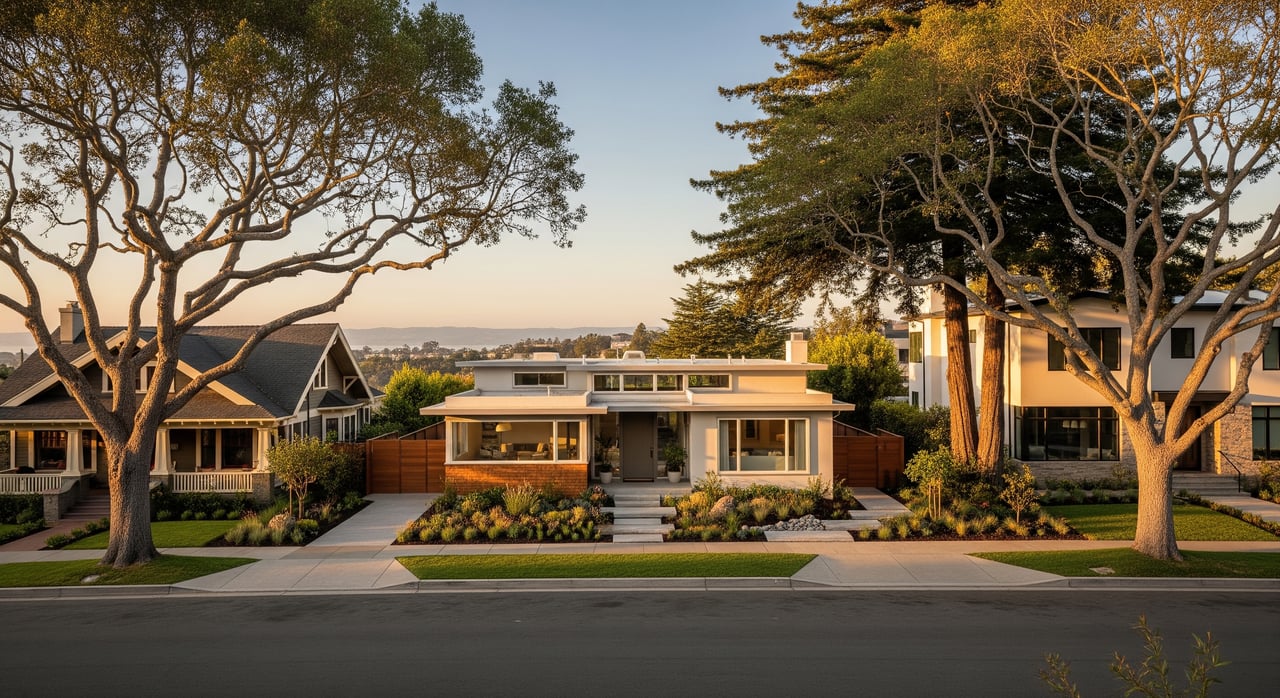
Ever wonder why two similar San Mateo homes can sell tens of thousands of dollars apart? In a market where a half bath, a view, or even the side of a block can swing price, guessing is costly. You want a clear, defensible number so you can price right as a seller or write a confident offer as a buyer. This guide explains what a Comparative Market Analysis (CMA) is, how agents build one for San Mateo, and how to use it to make smart moves. Let’s dive in.
CMA basics in San Mateo
A Comparative Market Analysis is a market-based estimate of a property’s probable selling price. Your agent studies recent closed sales, plus pending, active, and even expired listings, then recommends a price range and strategy for timing and negotiation. The goal is to match your pricing to how buyers are behaving right now.
CMA vs appraisal vs online estimate
- Appraisal: A lender-ordered opinion from a licensed appraiser. Appraisers follow formal standards and methods like the sales comparison approach. For an overview, see the Appraisal Institute’s explanation of appraisal methods.
- CMA: An agent-produced estimate for pricing and marketing. It leans on local market activity, micro-location nuance, and condition adjustments. For general guidance on CMAs and pricing strategy, review the National Association of Realtors resources.
- Automated valuation (AVM): Algorithm-driven estimates that can miss San Mateo’s block-level differences, permit status, and condition. They are quick context, not a pricing plan.
What a CMA includes
- Inventory snapshot: Active, pending, contingent, and expired listings in your immediate area.
- Sold comps: Typically 3–6 recent, similar sales with photos and notes.
- Adjustments: Size, bed/bath count, lot, view, condition, upgrades, and permitted vs unpermitted work.
- Strategy: A recommended list price range, target days on market, and negotiation plan.
In high-cost, micro-diverse areas like San Mateo, small differences in square footage, a half bath, a remodeled kitchen, or a specific block can move price by large amounts. A localized CMA helps you avoid overpricing that stalls showings or underpricing that leaves money on the table.
How a San Mateo CMA is built
Data sources agents use
- Local MLS: The primary source for sold prices, days on market, concessions, and pending data.
- County assessor and tax records: Lot size, year built, and legal details.
- City and county permit records: To confirm permits for remodels and ADUs; unpermitted work can reduce value or complicate lending.
- Market context: Regional trend briefs from the California Association of Realtors provide seasonality and trajectory.
- Risk and livability overlays: FEMA flood maps for Bayfront risk and tools for commute and noise exposure.
- School boundary information: District websites and mapping tools help school-sensitive buyers verify attendance areas.
Selecting true comps
- Geography first: Start on the same block or neighborhood when possible. Downtown, westside, hillside pockets, and areas north or south of Highway 92 can behave differently.
- Time window: Favor sales from the last 3–6 months. In slower periods, extend to 9–12 months and weigh older sales less.
- Size and layout: Target comps within about 10–15 percent of living area, and similar bathroom counts when possible.
- Lot and view: Bay or hillside outlooks, corner lots, and usable yard space can create premiums.
- Property type: Match single-family to single-family, condo to condo.
- Status mix: Use actives for context, but anchor value in closed sales.
Making smart adjustments
- Per-square-foot and per-feature: Adjust for square footage, a half bath, or a remodeled kitchen using market-supported amounts.
- Matched-pair logic: When two comps differ mainly by one feature, the price gap hints at that feature’s value.
- Condition: Use recent renovated vs original-condition comps to estimate renovation impact. Present a range, not a single number.
- ADUs and rentals: In San Mateo County, permitted ADUs add value and income potential. Unpermitted units usually require discounts or extra caution.
Pricing units in San Mateo
- Dollars per square foot varies by micro-location. Downtown or Bayfront pricing does not translate neatly to hillside or westside pockets.
- Bedrooms vs usable space: A quick partition to add a bedroom may not add as much value as improving overall living quality, storage, or kitchen and bath finishes.
Micro-location factors that move price
Neighborhoods and commute access
San Mateo’s city neighborhoods offer different pricing bands based on proximity to downtown, walkability, and access to Caltrain at San Mateo, Hayward Park, and Hillsdale stations. Commute routes like Highways 101 and 280 shape demand. Proximity to job centers, including SFO and Peninsula tech corridors, can influence buyer interest and premiums.
Schools and boundary effects
School districts and attendance boundaries often matter to buyers. In San Mateo, adjacent blocks can fall into different boundaries, which may affect demand. Always verify with district sites and independent tools rather than relying on assumptions or maps on marketing flyers.
Environmental, zoning, and permits
- Flood and sea-level rise: Bayfront and marsh-adjacent areas can face flood insurance requirements or future risk considerations. Use FEMA’s National Flood Hazard Map to check parcel-level risk.
- Noise and transit: Homes near 101, the Caltrain right-of-way, or flight paths can have noise exposure that affects value.
- Zoning and allowable use: Lot coverage, setbacks, and ADU rules influence long-term potential. Permitted improvements generally carry more value than unpermitted work.
Condition and upgrades that change value
Buyers in San Mateo place strong emphasis on kitchens, bathrooms, natural light, and modern systems. Renovated kitchens and updated baths often show high recapture in local comps. System upgrades such as electrical, HVAC, and earthquake retrofits can expand the buyer pool and support lending. Usable outdoor areas and privacy matter in denser pockets. When reviewing comps, look closely at finish level, permit status, energy features, and the overall feel of the floor plan.
Turn your CMA into a pricing strategy
Sellers: list price and prep
A strong CMA will present conservative, expected, and stretch prices. Your choice depends on timing goals and risk tolerance:
- Competitive pricing can spark multiple offers when inventory is tight.
- A stretch price can make sense in slower periods if you can allow for longer market time.
- Pre-list repairs or improvements that change your comp set can improve net proceeds. Focus on visible condition, kitchen and bath updates, curb appeal, and permit closure.
If you need help with staging or light renovations, the right plan can pay off. Our team leverages Compass Concierge to front certain improvement costs, plus Coming Soon exposure and tailored launch timing to capture early demand.
Buyers: offer structure and risk
Use the listing CMA to understand how the seller priced the home. Verify recent comps, note days on market, and track any price changes. In highly competitive pockets, consider an escalation clause with a clear cap. If you plan to bridge an appraisal gap, confirm funds and discuss appraisal risk up front. A well-supported CMA helps you set a ceiling you can defend and reduces surprises during underwriting.
Quick CMA checklist
- Gather your facts: Square footage, bed/bath count, lot size, year built, recent upgrades, and any ADU details. For condos, include HOA dues and rules.
- Verify permits: Check city or county portals for kitchen, bath, and structural permits. Confirm whether any work remains open.
- Confirm risk and boundaries: Review FEMA flood status and school attendance boundaries, and note proximity to transit or flight paths.
- Request the CMA package: Ask for 3–6 closed comps with photos, plus current actives, pendings, and any expired listings for context.
- Ask about adjustments: Have your agent explain the dollar amounts used for size, bath count, condition, and view. Request the suggested pricing band and target days on market.
- For buyers: Review whether comps had seller concessions or unique conditions that may not repeat.
Where to verify and learn more
- Review NAR’s guidance on pricing strategy and CMAs through the Pricing Strategy Advisor resource from the National Association of Realtors.
- Learn how appraisals work in the Appraisal Institute’s overview of the sales comparison approach and appraisal standards.
- Check county and regional trends from the California Association of Realtors market data center.
- Assess parcel-level risk with the FEMA National Flood Hazard Map.
- Explore school boundary and information tools at GreatSchools.
A thoughtful San Mateo CMA blends recent MLS sales, micro-location nuance, verified permit and condition details, and clear assumptions. When you see your price as a range backed by the right comps, you can choose a strategy that fits your goals and timeline.
Ready for a local, data-informed plan tailored to your home and neighborhood? Reach out to Marylene Notarianni for a personalized CMA and a step-by-step pricing or offer strategy.
FAQs
How recent should San Mateo comps be?
- In active markets, aim for sales within 3–6 months; in slower periods, extend to 9–12 months and weigh older comps less.
How close should comps be to my San Mateo home?
- Start with the same neighborhood or nearby blocks; within about 0.25–1 mile is common due to block-level differences and boundary lines.
How do agents value a remodeled kitchen in San Mateo?
- They match to sold comps with similar upgrades or use market-implied adjustments, and they consider actual costs and typical recapture shown in recent sales.
Can a CMA prevent an appraisal gap on my purchase?
- No; CMAs guide pricing and offers, but the lender relies on an independent appraisal—if it comes in low, you may need extra funds or a price change.
What if my home has an unpermitted ADU or remodel?
- Expect a discount or added friction; your agent will verify permits and adjust comp selection or pricing to reflect potential lending and buyer concerns.