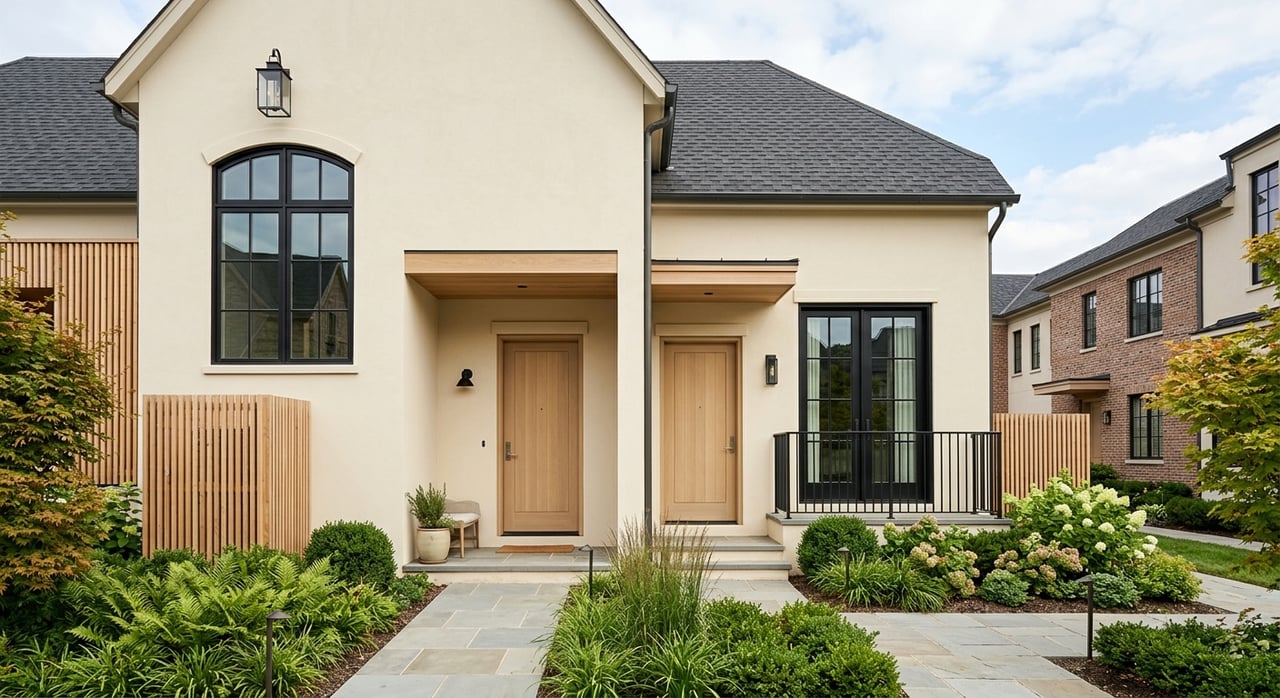
If you are thinking about buying a townhome in Redwood Shores, you are probably looking for more than just attached square footage. You may want a practical layout, easier upkeep, and a setting that feels connected to the water and trails that make this part of Redwood City so distinctive. The good news is that Redwood Shores can offer that mix, but the smartest purchase comes down to understanding the community, the HOA, and the exact ownership structure before you commit. Let’s dive in.
Why Redwood Shores Stands Out
Redwood Shores is not a typical townhome market. It is a master-planned waterfront neighborhood in Redwood City with lagoons, slough-side trails, and a dedicated trail system that is separate from roadways.
That matters because your day-to-day experience here may be shaped as much by the surrounding environment as by the home itself. In some parts of Redwood Shores, water views, walking paths, and shared outdoor amenities are a major part of the value.
The city also plays an active role in the area’s waterways. Redwood City states that lagoon boating is limited to residents or those with permission, gas-powered boats are not allowed, and the city performs monthly water-quality monitoring.
For you as a buyer, that means Redwood Shores often feels like a managed waterfront community rather than a simple collection of attached homes. It is one reason townhome buyers here should look closely at access, rules, and long-term neighborhood planning.
What Redwood Shores Townhomes Usually Offer
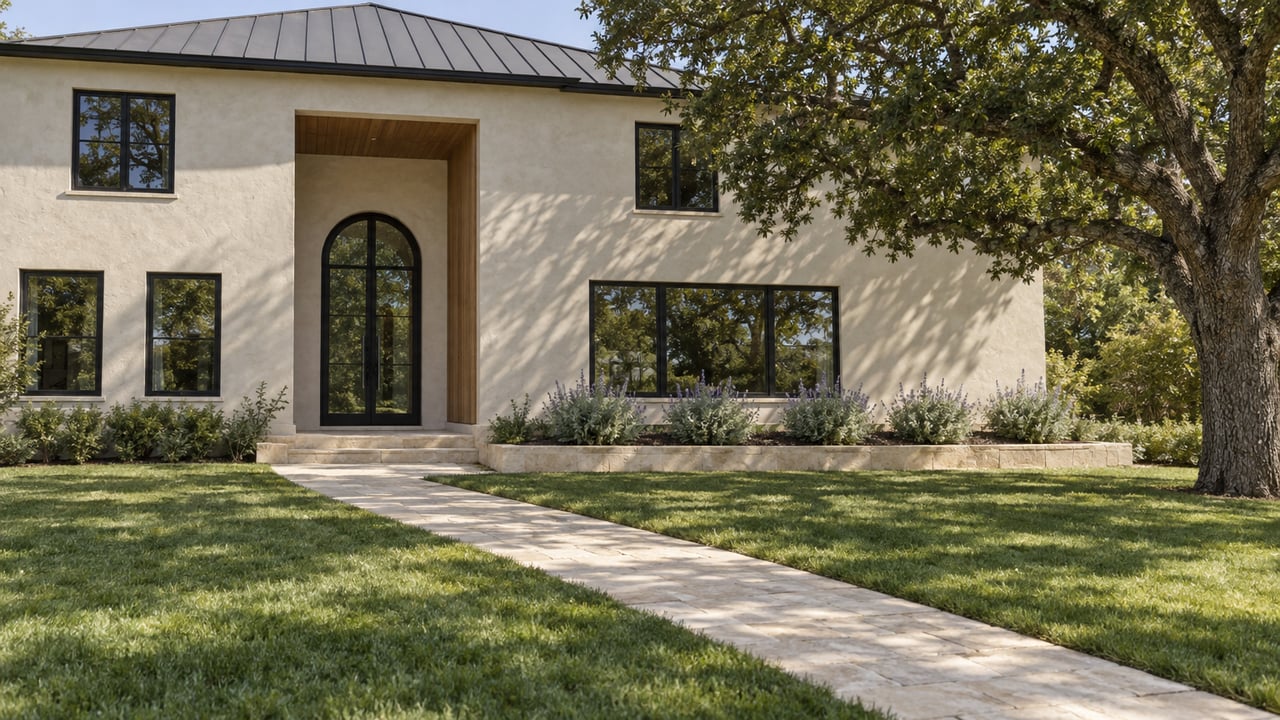
Redwood Shores townhomes are not one-size-fits-all. Local community resources and current listings show that many properties are 2- to 3-bedroom attached homes, often ranging from about 1,100 to 2,300 square feet.
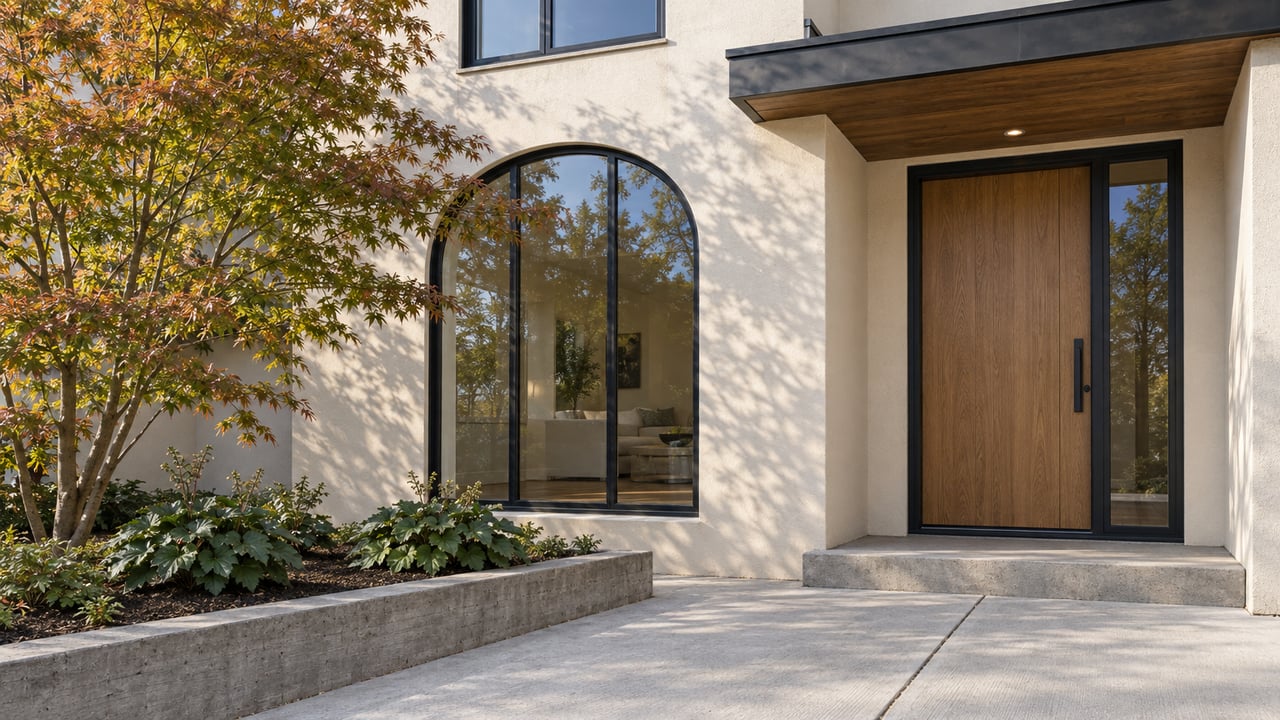
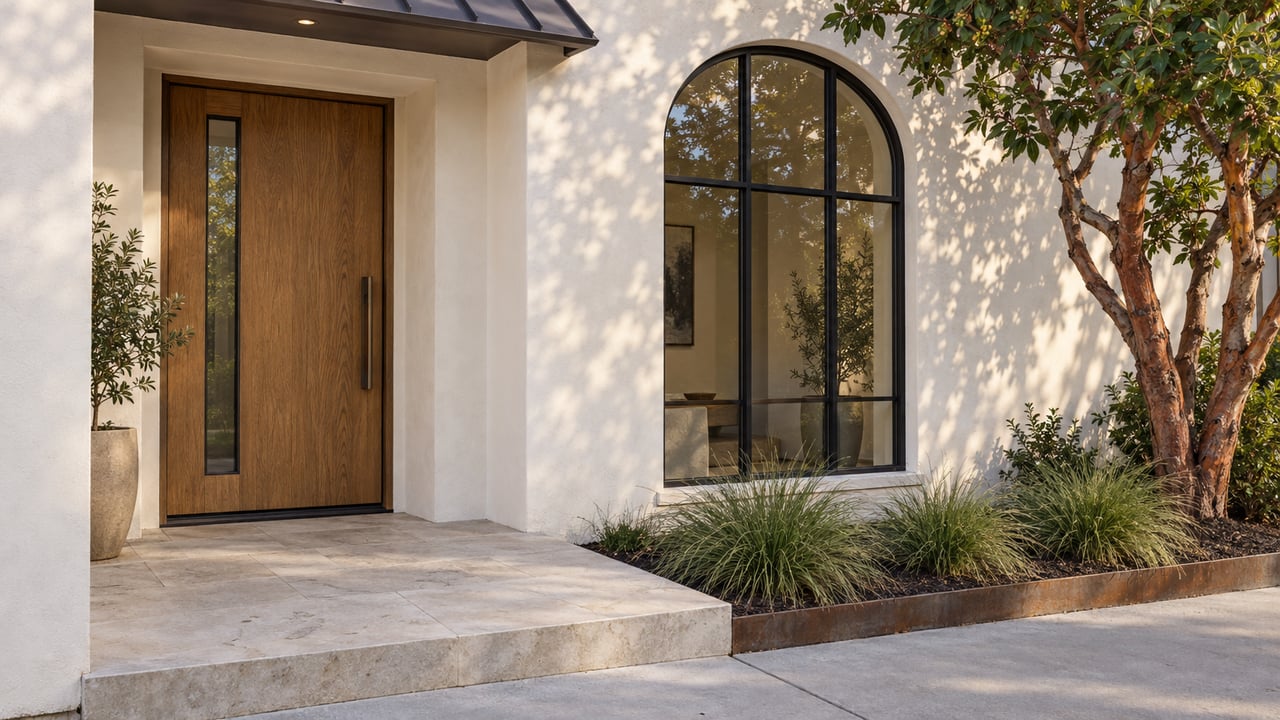
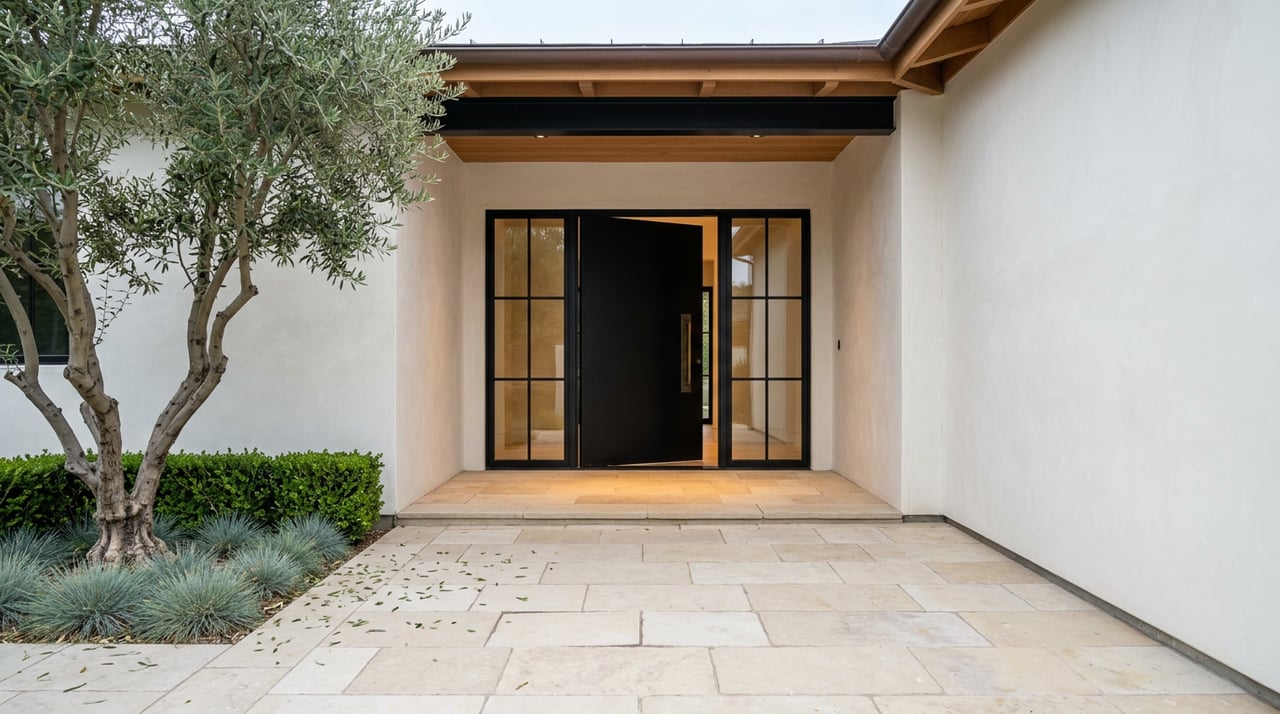
Many communities include features that appeal to buyers who want a more house-like setup. Depending on the project, you may find private entries, patios or decks, attached garages, interior laundry, and multi-level floor plans.
Amenities also vary widely by community. Some neighborhoods include pools, spas, clubhouses, fitness spaces, walking paths, or boating-related facilities.
Examples in Redwood Shores include communities such as Boardwalk, Lakeshore, Pelican Cove, Ventana del Mar, Marina Pointe, Peninsula Landing, and Shorebird Solar. Each one can differ in floor plans, parking arrangements, and shared amenities, so it helps to compare projects individually rather than assume all townhomes here are similar.
Current Price Context for Buyers
Listing portals provide a useful snapshot of today’s market, though the numbers can vary by timing and methodology. Recent portal snapshots cited in local research showed about five townhouses for sale in Redwood Shores, with median listing prices around $1.28 million on one portal and about $1,236,500 on another.
Those figures are best treated as market context, not a fixed pricing rule. A specific home’s value may shift based on size, condition, views, garage count, updates, and the strength of the HOA.
That is especially true in Redwood Shores, where two homes with similar bedroom counts can feel very different if one backs to a greenbelt and another sits near the lagoon with broader water views. Community amenities and maintenance obligations can also influence how buyers perceive value.
Townhome vs Condo in Redwood Shores
One of the most important things to know is that the word townhome does not automatically tell you the legal ownership structure. In California, the Department of Real Estate explains that townhome is an architectural label, not a legal category.
In practice, an attached home that looks like a townhome may legally be organized as a condominium, a planned development, or another common-interest development form. That distinction matters because it can affect maintenance, insurance, financing, and HOA authority.
So if a Redwood Shores property is marketed as a townhome, you should still confirm the actual legal structure during due diligence. It is a simple question, but it can shape how ownership works long after closing.
Why HOA Review Matters So Much
In Redwood Shores, HOA review is not a side task. It is one of the main parts of evaluating whether a townhome is the right fit.
The area includes layered association oversight. The Redwood Shores Community Association dates to 1970 and is voluntary, while the Redwood Shores Owners Association is the mandatory umbrella HOA for developments built since 1981 and oversees exterior modifications, waterfront yards, new construction, and redevelopment.
On top of that, many individual townhome communities have their own neighborhood HOAs and management companies. That means your purchase may involve both broad community rules and project-specific rules.
For you, the takeaway is simple: do not judge a property only by its photos or floor plan. The governing documents will tell you much more about how the home actually functions as an ownership experience.
What the HOA May Maintain
California Civil Code section 4775 sets the default maintenance framework for common-interest developments. In general, the association maintains the common area, the owner maintains the separate interest, and the owner maintains exclusive-use common area while the association repairs and replaces it unless the declaration says otherwise.
That sounds technical, but the real-life impact is easy to understand. Features like patios, balconies, driveways, parking areas, exterior surfaces, landscaping, and waterfront elements may not all fall under the same responsibility.
In one Redwood Shores project, the HOA may handle more exterior work. In another, the owner may carry more direct maintenance responsibility.
That is why one of the most important buyer questions is this: What exactly am I responsible for, and what exactly is the HOA responsible for? You want that answer from the governing documents, not from assumptions.
Key Documents to Review Before You Buy
California requires sellers to provide a substantial HOA transfer packet before title transfer or contract execution. These materials can give you a much clearer view of the property than a showing ever could.
Your review should include:
- Governing documents such as the CC&Rs, bylaws, and rules
- The most recent annual budget report
- Current assessment status
- Any unpaid fines or penalties
- Any unresolved violation notices
- Any known defect lists
- Any rental restrictions
- Board minutes from the prior 12 months, if requested
- The most recent inspection report
The annual budget report is especially useful because it includes a pro forma operating budget, a reserve summary, a reserve funding plan, information about deferred major repairs, whether special assessments may be needed, any association loans, and a summary of insurance policies. For condominium projects, it also includes FHA and VA certification status.
These are not just administrative papers. They help you understand whether the community appears well-managed, whether major expenses may be coming, and whether the financial picture supports the lifestyle the property is promising.
Reserve Health Is a Big Deal Here
Reserve strength matters in any HOA, but it deserves extra attention in a waterfront setting like Redwood Shores. California requires a reserve study inspection at least once every three years when major components meet the legal threshold, and reserve disclosures show projected balances and funding levels for the years ahead.
Associations with gross income above $75,000 must also prepare a reviewed financial statement and distribute it within 120 days after fiscal year-end. For a buyer, these documents can help reveal whether the HOA is keeping up with long-term obligations.
In a Redwood Shores community, that may include major components such as roofs, paving, docks, pumps, or other infrastructure tied to common areas. If reserves appear thin or deferred maintenance is building, that can affect your future costs.
Flood and Sea Level Planning Should Be Part of Your Review
Because Redwood Shores is a waterfront community, flood and resilience planning should be part of your buying process. Redwood City is advancing the Redwood Shores Sea Level Rise Protection Project to address flood risk and maintain FEMA accreditation.
According to the city, FEMA warned in 2020 that without levee modifications, properties in Redwood Shores could be mapped into a Special Flood Hazard Area. The city said that could affect flood-insurance obligations for about 4,700 households.
This does not mean every townhome purchase comes with the same level of risk or cost. It does mean you should ask for the latest budget, reserve study, insurance summary, any assessment notices, and any project-related disclosures before you remove contingencies.
That step can help you understand whether future dues, insurance costs, or assessments may be influenced by flood-related work. In a neighborhood like Redwood Shores, that is simply part of smart due diligence.
Practical Questions to Ask Before Making an Offer
When you are comparing Redwood Shores townhomes, a few focused questions can help you move past surface-level impressions.
Ask these early:
- Is the property legally a condo, planned development, or another common-interest development form?
- What does the HOA maintain, and what does the owner maintain?
- Are there rental restrictions, unresolved violations, or scheduled special assessments?
- How healthy are the reserves, and when was the last reserve study completed?
- Are there waterfront, flood, levee, or infrastructure projects that could affect dues or insurance?
- If the project is a condominium, what do the annual budget materials say about FHA and VA certification status?
These questions can save you from surprises later. They also help you compare communities on more than appearance alone.
How to Buy More Confidently in Redwood Shores
A Redwood Shores townhome can be a great fit if you want a lower-maintenance lifestyle with access to trails, water-oriented surroundings, and shared amenities. But the best purchase is usually the one where the documents make as much sense as the floor plan.
This is a neighborhood where project-level differences matter. Two homes may look similar online, yet offer very different ownership responsibilities, HOA finances, and long-term costs.
If you are buying in Redwood Shores, it helps to work with someone who can look beyond the listing details and help you evaluate the practical side of the decision. That includes pricing context, HOA review, contingency planning, and the trade-offs between one community and another.
If you are considering a move in Redwood Shores or elsewhere on the Mid-Peninsula, Marylene Notarianni can help you evaluate homes with clarity, local insight, and a calm, hands-on approach.
FAQs
What are Redwood Shores townhomes usually like?
- Redwood Shores townhomes are often 2- to 3-bedroom attached homes, commonly ranging from about 1,100 to 2,300 square feet, with features that may include garages, patios or decks, interior laundry, and access to amenities such as pools, spas, clubhouses, or walking paths.
Why does HOA review matter when buying a Redwood Shores townhome?
- HOA review matters because Redwood Shores communities can have layered oversight, project-specific rules, and different maintenance splits, so the documents help you understand costs, responsibilities, restrictions, and the overall health of the association.
Is a Redwood Shores townhome always legally a townhome?
- No. In California, townhome describes the architectural style, not the legal ownership form, so a property marketed as a townhome may actually be organized as a condominium or planned development.
What HOA documents should a Redwood Shores buyer review?
- A buyer should review the governing documents, annual budget report, reserve information, assessment status, any unpaid fines or unresolved violations, rental restrictions, requested board minutes from the prior 12 months, and the most recent inspection report.
Why should flood planning matter when buying in Redwood Shores?
- Flood planning matters because Redwood Shores is a waterfront area, and the city is advancing a sea level rise protection project to address flood risk and maintain FEMA accreditation, which may influence future insurance obligations, dues, or assessments in some communities.