Thinking about moving to Mountain View from abroad? You are not alone, and you are not imagining the complexity. Between housing costs, neighborhood differences, transit choices, and the challenge of planning a move across time zones, an international relocation can feel like a lot. The good news is that Mountain View is a place where remote planning is realistic, and with the right local guidance, you can narrow your options with much more confidence. Let’s dive in.
Why Mountain View Appeals to International Buyers
Mountain View sits in the heart of Silicon Valley, about 10 miles north of San Jose and 35 miles south of San Francisco. It is a compact city of just over 12 square miles, set between the Santa Cruz Mountains and San Francisco Bay. That smaller footprint can make it easier to learn the city quickly once you understand its layout.
For international movers, the city’s population mix can feel especially approachable. According to city and Census data, 42.9% of residents are foreign-born, and 49.5% of people age 5 and older speak a language other than English at home. That does not guarantee a simple transition, but it does suggest that Mountain View is used to serving people arriving from many different places.
The city also supports a very digital lifestyle. Census data shows that 96.0% of households have broadband subscriptions and 97.3% have a computer. If you need to start your search through video tours, virtual meetings, and document review, Mountain View is well suited to that kind of relocation process.
Understanding Mountain View’s Geography
One of the biggest mistakes overseas buyers make is assuming Mountain View feels the same everywhere. It does not. The city is better understood as a collection of planning areas and neighborhood pockets, each with its own street patterns, access points, and overall feel.
The city’s General Plan describes the Central Planning Area around Downtown as the heart of Mountain View. East Whisman is described as a transit-oriented employment center, while Moffett/Whisman blends industrial, commercial, and residential uses. North Bayshore is planned as a major mixed-use area, with a master plan approved in 2023 that allows up to 7,000 residential units and 3.14 million square feet of office space.
The city also refers to public neighborhood areas such as Central Neighborhoods, Grant Road/Sylvan Park, Monta Loma/Farley/Rock Street, San Antonio/Rengstorff/Del Medio, Springer/Cuesta/Phyllis, and Moffett/Whisman. For you, that matters because parking conditions, street width, and daily traffic patterns can change quickly from one pocket to the next. Mountain View’s narrow-streets ordinance covers 444 streets, which is a practical detail worth checking if you will rely on street parking or frequent driving.
What Daily Life Can Look Like
Mountain View is often associated with tech campuses, but daily life here is more layered than that. The city highlights a historic downtown core, Shoreline, and more than 1,000 acres of parks and wildlife areas. That means your home search should consider more than commute time alone.
If you are moving from abroad, it helps to think in terms of routines. Where will you shop, walk, meet friends, or catch transit? A home that looks ideal on paper may feel less convenient if your day-to-day pattern depends on being near Downtown, the Transit Center, or open space.
Expect a High-Cost Housing Market
Mountain View is expensive by national standards, and it is important to plan with that reality upfront. Census QuickFacts reports an owner-occupied housing rate of 38.6%, a median owner-occupied home value of $1,927,000, and a median gross rent of $3,062 for 2020 through 2024. Whether you plan to rent or buy, your budget will need to match a competitive local market.
For many international clients, renting first can be a practical bridge. It gives you time to learn the city, confirm your work and transit routine, and compare neighborhood pockets in person before making a purchase decision. That approach can be especially useful if you are arriving on a tight timeline or do not want to commit before seeing more of the area firsthand.
What Types of Homes You Will Find
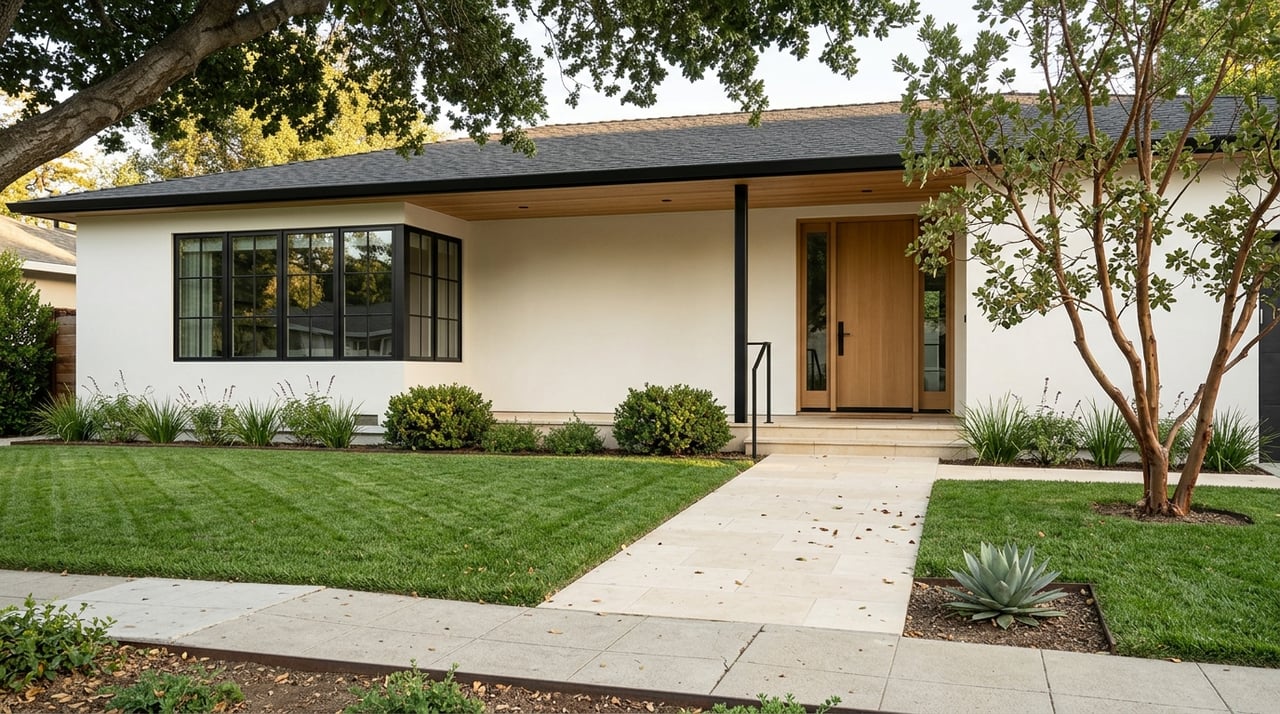
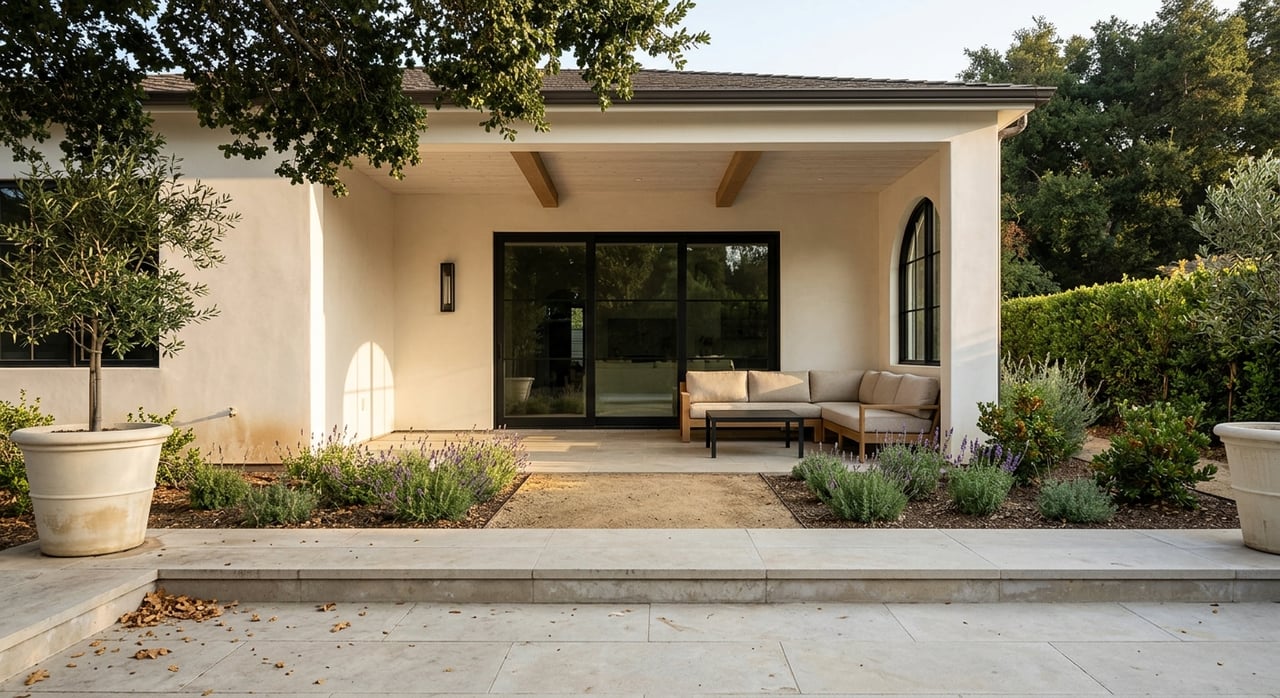
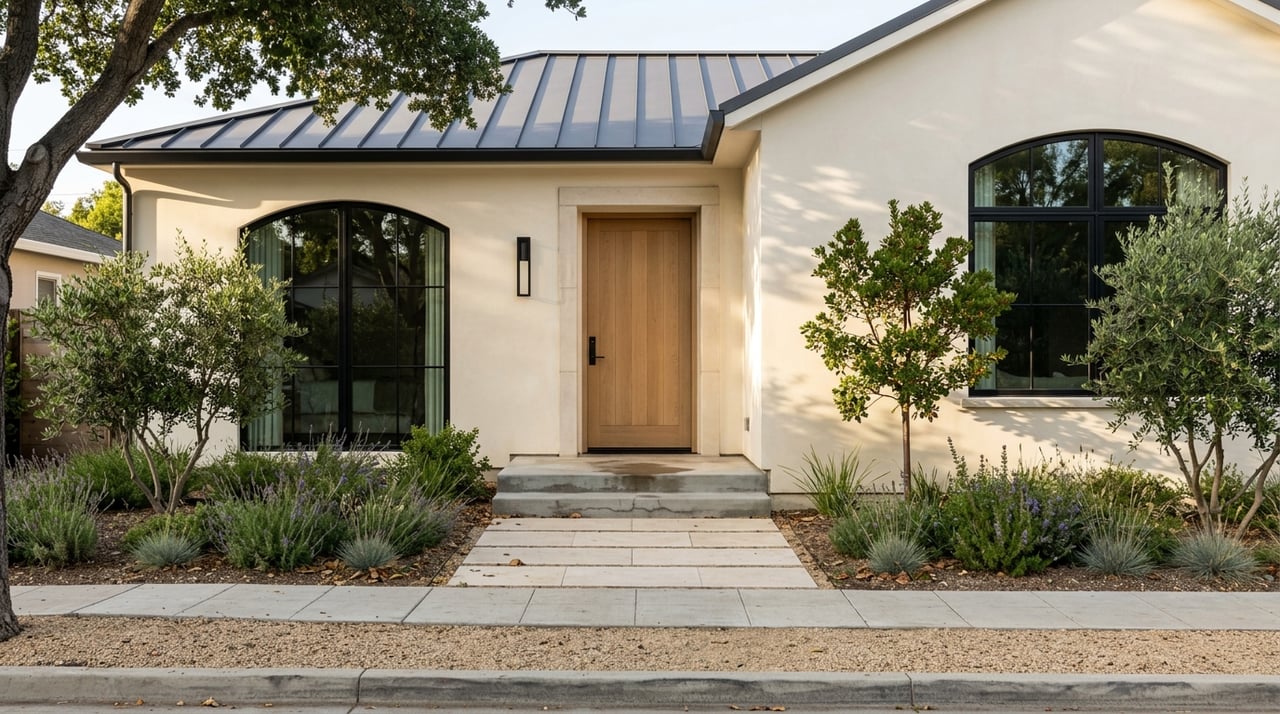
Mountain View is not dominated by one housing type. A city housing-element summary shows that, as of 2020, the housing stock was 29.1% single-family detached, 12.6% single-family attached, 8.4% multifamily in 2 to 4 unit buildings, 47.0% multifamily in 5 or more unit buildings, and 2.9% mobile homes. In simple terms, you should expect a meaningful mix of condos, townhomes, apartments, and detached houses.
That mix can be helpful if you are comparing lifestyle priorities. A condo or townhome may offer a lower-maintenance landing spot while you settle into the area. A detached home may offer more privacy or future flexibility, but it often comes with a higher price point and a different maintenance picture.
The city’s planning outlook also points to continued development. Mountain View’s 2023 to 2031 Housing Element says the city plans to accommodate more than 11,000 new units over eight years. For you, that means some areas may continue to evolve, especially near transit-rich corridors.
Buying a Home With Long-Term Flexibility
If you are considering a detached home, it may be helpful to look beyond the current floor plan. The city’s single-family residential guidance says Mountain View does not require discretionary design review for single-family home development, and ADUs and JADUs can often follow a permit path that still requires building approval. That can matter if you want future flexibility for guests, work-from-home space, or extended household needs.
This does not mean every property is equally suitable for expansion. It does mean that older homes and more established lots may deserve a closer look if adaptability is part of your long-term plan. For international buyers who may not want to move again quickly, that can be a meaningful advantage.
Renting First? Know the Local Rules
If you plan to lease before buying, do not treat all rental buildings the same. Mountain View’s Rent Stabilization Division administers the Community Stabilization and Fair Rent Act for certain units. That means tenant protections and rules may vary depending on the property.
Before signing a lease, it is smart to confirm which rules apply to the specific unit you are considering. For someone moving from abroad, this step can help you avoid confusion and understand your options more clearly from day one.
Transit Matters More Than You Might Expect
Even if you plan to drive, transit plays a major role in how Mountain View functions. The Mountain View Transit Center is the city’s key multimodal hub, and on a typical weekday it handles more than 12,000 boardings and alightings. It connects Caltrain, VTA light rail, buses, and private shuttles.
Caltrain lists Mountain View Station at 600 W. Evelyn Ave., with connections to VTA Orange Line service and multiple bus and shuttle options. If you will commute regionally, travel to San Francisco, or want flexibility while settling in, access to the Transit Center can become a major quality-of-life factor.
This is one reason neighborhood comparison matters so much. Two homes may both be in Mountain View, but one may make transit and downtown access much easier than the other. For overseas buyers, that difference is easy to miss if you only focus on photos and square footage.
Employer Access Shapes Home Search Patterns
Mountain View is closely tied to major employers. Google lists two offices in Mountain View, including Bay View at 100 Bay View Drive and Googleplex at 1600 Amphitheatre Parkway. NASA says Ames Research Center is located at Moffett Field between Mountain View and Sunnyvale.
Because of those job centers, many buyers and renters start their search with commute logic. That makes sense, but it should not be your only filter. A home that trims a few minutes off a commute may still be the wrong fit if it does not match how you want to live outside work hours.
How to Search From Abroad More Effectively
An international move works best when you break it into stages. Mountain View is especially workable for remote-first planning because of the city’s highly connected, digital environment. You can do a lot before your flight, but the key is knowing what to review carefully.
Here are a few smart priorities for an overseas search:
- Compare neighborhood pockets, not just listing prices
- Review commute routes to offices, transit, and daily errands
- Ask about street parking, narrow streets, and access patterns
- Separate short-term landing needs from long-term purchase goals
- Confirm whether renting first may give you better local perspective
- Build time-zone overlap into live calls and decision deadlines
City planning staff publish weekday office and public-counter hours, so timing matters when you need local answers. If you are working from Europe, the Middle East, or Asia, scheduling windows can affect how quickly you can move from research to action.
A Calm Strategy for Your Move
Moving to Mountain View from abroad is rarely just about finding a home. It is about building a workable life in a city with strong employer access, varied housing choices, and meaningful neighborhood differences. The more clearly you understand the city’s layout, housing mix, and transit framework, the better your decisions will be.
A calm, informed plan usually beats a rushed one. If you start with your budget, daily routine, and preferred level of flexibility, you can narrow the field quickly and avoid expensive missteps. That is especially true in a market where both rents and home prices sit well above national norms.
If you are planning a move to Mountain View from abroad and want thoughtful, multilingual guidance tailored to your relocation goals, connect with Marylene Notarianni. You will get clear local insight, responsive communication, and a steady hand through each step.
FAQs
What is Mountain View like for someone moving from abroad?
- Mountain View is a compact Silicon Valley city with a large international population, a strong digital infrastructure, a historic downtown, major employers, and access to parks and open space.
Is Mountain View expensive for international buyers and renters?
- Yes. Census data reports a median owner-occupied home value of $1,927,000 and a median gross rent of $3,062, so both buying and renting require planning for a high-cost market.
Should you rent before buying in Mountain View?
- Renting first can be a practical option if you want time to learn neighborhood differences, test your commute, and make a more informed buying decision after arriving.
What kinds of homes can you find in Mountain View?
- Mountain View offers a mix of detached houses, attached homes, condos, apartments, and a small number of mobile homes, with multifamily housing making up a large share of the city’s housing stock.
How important is transit in Mountain View for new residents?
- Transit is very important because the Mountain View Transit Center connects Caltrain, VTA light rail, buses, and private shuttles, giving many residents options beyond driving alone.
How do neighborhood differences affect a Mountain View home search?
- Neighborhood pockets can vary in street width, parking, access, and proximity to Downtown, transit, and employment centers, so location details matter as much as the home itself.