Looking for the right part of San Mateo can feel harder than choosing the right home. One street may offer early-20th-century architecture and larger detached houses, while another puts you near Caltrain, parks, and newer low-maintenance living. If you are trying to understand how San Mateo home styles connect to neighborhood feel, this guide will help you compare the city’s main patterns and decide what fits your daily life best. Let’s dive in.
How San Mateo breaks into micro-lifestyles
San Mateo is best understood as a collection of smaller neighborhood experiences, not one single housing story. The city grew from a railroad-era downtown and the subdivision of large estates in the early 1900s, which helps explain why the housing mix feels so layered today.
That variety still shows up in the numbers. Citywide American Community Survey data cited by the City of San Mateo shows a mixed tenure market, with 49.9% owner-occupied housing, a median owner value of $1,618,700, and a median gross rent of $3,077. In practical terms, you will see detached homes, condos, townhomes, and rental options across the city.
West-side neighborhoods and classic architecture
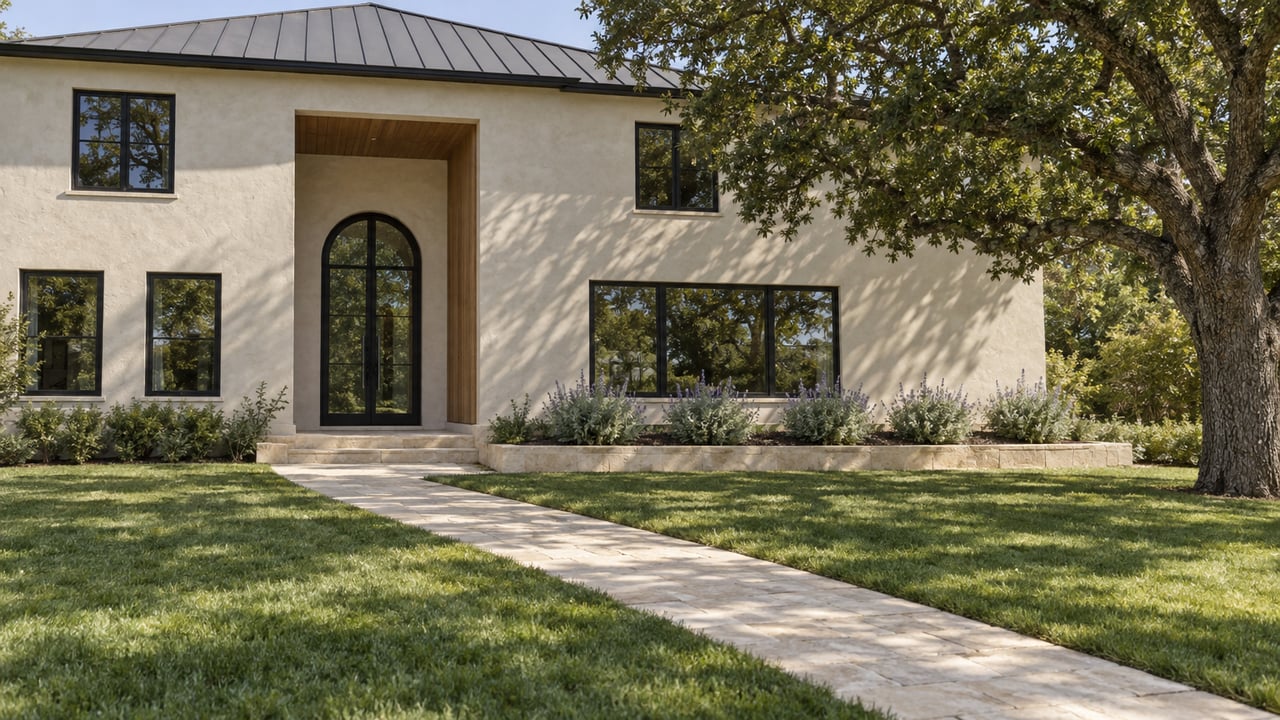
West of El Camino Real, several San Mateo neighborhoods are known for older housing stock and a strong architectural identity. City-collected neighborhood input describes Aragon, Baywood Knolls, Baywood, and San Mateo Park as early-20th-century neighborhoods with a mix of Spanish Colonial Revival, Tudor Revival, Craftsman, Colonial Revival, and Streamline Moderne homes.
The city also identifies Glazenwood as an early-1920s Spanish Colonial Revival neighborhood. Together, these areas tend to appeal to buyers who care about architectural detail, established streetscapes, and the feel of older single-family homes.
What the west side often feels like
Compared with newer transit-oriented districts, these neighborhoods generally read as more established and more visually consistent. That impression comes from the city’s historic descriptions and neighborhood boundaries, which point to long-standing residential patterns and recognizable home styles.
If you are drawn to character homes, mature streets, and a traditional residential setting, this part of San Mateo may stand out. For sellers, these neighborhoods can also benefit from marketing that highlights architectural detail, lot character, and the setting around the home.
Mid-century pockets and relaxed residential blocks
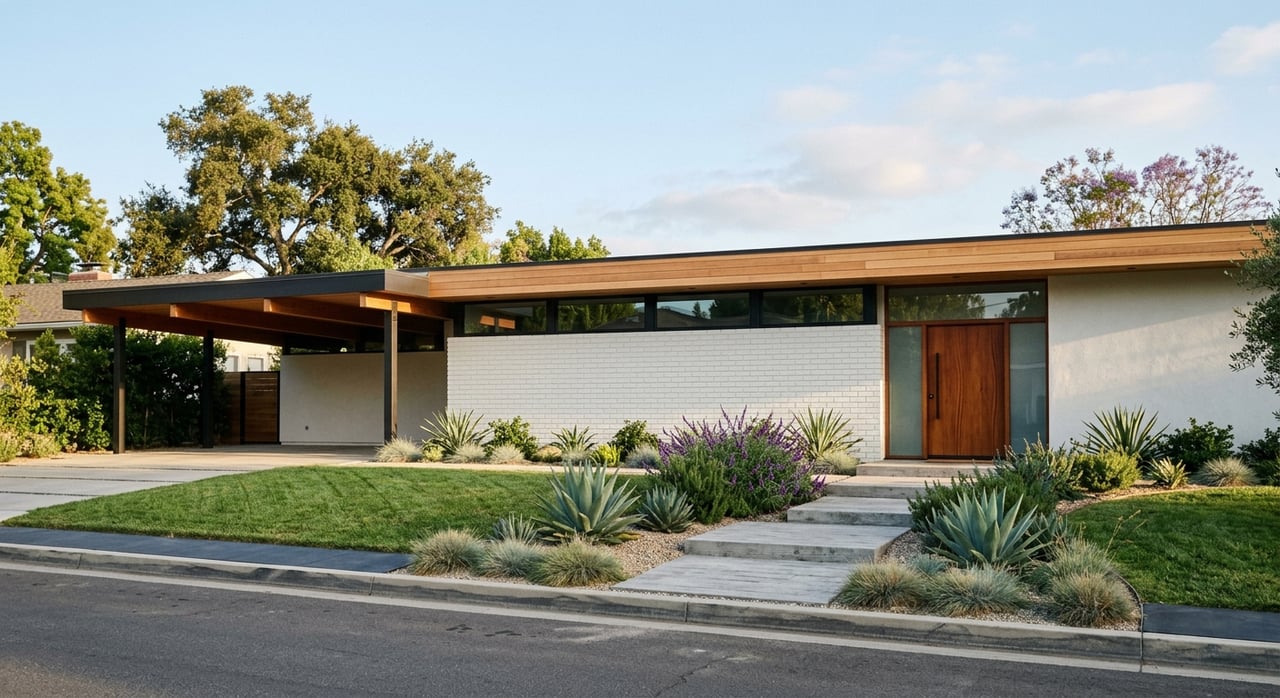
San Mateo also has neighborhoods that lean more mid-century in look and feel. Based on current listing patterns summarized in the research, Sunnybrae, Parkside, Shoreview, and parts of North Central often present a more casual residential rhythm than the historic west-side blocks.
These areas are commonly associated with older single-family homes, some single-level layouts, and a more understated streetscape. Lot sizes can vary, even within the same area, so it helps to compare individual blocks and property types rather than rely on one broad label.
Why these areas appeal to many buyers
For some buyers, the appeal is simple. You may want a home that feels approachable, easier to maintain than a large historic property, and still rooted in a residential neighborhood.
These pockets can also offer a different trade-off from downtown or Bay Meadows. Instead of prioritizing shared amenities or transit-first living, they often lean more toward private outdoor space and a quieter day-to-day routine.
Highlands and Eichler-style living
If you love mid-century modern design, San Mateo has a very specific niche worth knowing. The city’s HOA directory identifies the 19th Avenue Park Association as an Eichler home area bounded by Delaware, Concar, and Grant.
City design guidelines also note that San Mateo neighborhoods can offer Bay, Peninsula-hill, city-light, and through-the-neighborhood views. That helps explain why Highlands and nearby hillside pockets are often associated with outlooks, privacy, and a stronger indoor-outdoor lifestyle.
What makes this niche different
This is one of the clearest style-driven housing experiences in San Mateo. Buyers looking for Eichler or Eichler-inspired living often focus on open floor plans, abundant natural light, and strong connections between interior and exterior space.
Because this style attracts a very specific audience, both buyers and sellers usually benefit from hyper-local guidance. The details that matter here are often different from what matters in a downtown condo or a classic west-side home.
Downtown and transit-oriented San Mateo
If your priority is walkability, convenience, and lower-maintenance living, downtown and the transit-oriented districts may be the best fit. The Downtown Area Plan describes downtown as the city center and encourages mixed-use, high-density residential and retail with pedestrian and bicycle connectivity.
The city also highlights outdoor dining on B Street and identifies Central Park as its signature park. San Mateo has three Caltrain stations, and city planning documents identify Downtown and the Hayward Park and Hillsdale station areas as transit-oriented development zones.
Who this lifestyle tends to suit
This side of San Mateo can work well if you want daily routines shaped by nearby retail, transit, and shared public spaces. You may be less focused on a large private yard and more interested in convenience, flexible commuting, and having amenities close by.
For relocation buyers especially, this can be an easy entry point into the city. The housing choices often line up with busy schedules, lower exterior maintenance, and access to neighborhood services without relying as much on a car for every errand.
Bay Meadows and newer planned living
Bay Meadows stands out as one of the clearest examples of newer, planned residential development in San Mateo. The city describes it as a specific-plan area built around public streets and parks.
In contrast to older detached-home neighborhoods, Bay Meadows is often associated with townhomes, park-oriented planning, and a more structured live-work-commute pattern. It is a useful option to consider if you want shared open space and a more modern housing format.
Bay Meadows versus older neighborhoods
The biggest distinction is often lifestyle. Older neighborhoods may offer more architectural variation and private yard space, while Bay Meadows tends to align more with low-maintenance ownership and rail-adjacent convenience.
Neither is better across the board. It depends on whether you want character and lot presence or a more contemporary, lock-and-leave style of living.
Parks, waterfront access, and daily rhythm
Neighborhood feel in San Mateo is closely tied to parks, trails, and access to public space. The city says its parks and trails system includes about 200 acres of open space, and shoreline parks connect to the 350-mile Bay Trail.
That can shape your day-to-day experience as much as the house itself. Central Park anchors downtown, while Parkside Aquatic Park borders Marina Lagoon and includes a boat launch.
How outdoor access changes the feel
If you enjoy bay-oriented recreation or want to be near waterfront open space, Shoreview and Parkside may deserve a closer look. If you prefer a central gathering place and downtown access, areas near Central Park may feel more connected to the city core.
This is why San Mateo neighborhood feel is not only about architecture. It is also about how you move through your week, where you spend outdoor time, and whether your priorities lean toward quiet residential blocks or more active mixed-use settings.
Matching your lifestyle to the right area
A helpful way to narrow your search is to focus on how you want your home to support your routine. San Mateo offers several clear patterns:
- Architecture and historic character: Baywood, Aragon, San Mateo Park, and Glazenwood
- Mid-century modern focus: San Mateo Highlands and the 19th Avenue Park Eichler pocket
- Low-maintenance and transit-first living: Downtown, Bay Meadows, Hillsdale, Hayward Park, and condo-heavy parts of North Central
- Park- and bay-oriented living: Shoreview and Parkside
When you compare neighborhoods this way, the city starts to feel easier to read. You are not just choosing a house. You are choosing the balance between architecture, upkeep, commute patterns, open space, and how connected you want to be to retail and transit.
A buyer note on older homes and remodel plans
If you are considering an older home in San Mateo, it is smart to think ahead about future changes. The city’s historic-resources materials explain that older structures may be evaluated for historic significance, and projects involving buildings more than 45 years old may trigger a historic resource evaluation when substantial changes are proposed.
Historic districts and individually eligible buildings may also be subject to additional review. If remodeling is part of your long-term plan, this is an important detail to understand early in your search.
Why neighborhood nuance matters in San Mateo
San Mateo is not a one-note market. It offers historic west-side blocks, mid-century pockets, bay-side residential areas, and transit-oriented districts that can feel very different from one another.
That is exactly why local guidance matters. Whether you are buying a character home, searching for an Eichler-style layout, or weighing a low-maintenance move near downtown or Bay Meadows, the best choice usually comes down to matching the property to the life you actually want to live.
If you want help comparing San Mateo neighborhoods, preparing your home for sale, or planning a move within the Mid-Peninsula, connect with Marylene Notarianni for thoughtful, local guidance.
FAQs
What home styles are common in San Mateo neighborhoods?
- San Mateo includes early-20th-century styles such as Spanish Colonial Revival, Tudor Revival, Craftsman, Colonial Revival, and Streamline Moderne, along with mid-century homes, Eichler pockets, condos, and newer townhomes.
Which San Mateo neighborhoods are known for historic character?
- Based on city historic descriptions, Baywood, Aragon, San Mateo Park, and Glazenwood are among the neighborhoods most associated with historic character and older architectural styles.
Where can you find Eichler homes in San Mateo?
- The city’s HOA directory identifies the 19th Avenue Park Association as an Eichler home area, and buyers also often look at the Highlands for a mid-century modern feel.
Which parts of San Mateo fit a low-maintenance lifestyle?
- Downtown, Bay Meadows, Hillsdale, Hayward Park, and condo-heavy parts of North Central are the clearest fits for buyers who want transit access, walkability, or lower-maintenance living.
What should buyers know about remodeling older homes in San Mateo?
- The city notes that substantial changes to structures more than 45 years old may trigger a historic resource evaluation, and historic districts or individually eligible buildings may face added review.
How do parks affect neighborhood feel in San Mateo?
- Parks and open space shape daily life in different ways, from Central Park in downtown to bay-oriented access near Parkside Aquatic Park and the Bay Trail system.