If you are wondering whether Belmont feels busy, quiet, convenient, or outdoorsy, the short answer is that it blends all four in a very practical way. For many buyers and sellers, that balance is exactly what stands out: Belmont offers a smaller-scale Mid-Peninsula lifestyle with hills, parks, local gathering spots, and easy access to bigger job centers. If you want a clearer picture of what everyday life is really like in Belmont, this guide will walk you through the city’s pace, layout, housing feel, and daily routines. Let’s dive in.
Belmont feels small-scale and well connected
Belmont covers about 4.6 square miles in San Mateo County, roughly halfway between San Francisco and San Jose. The city describes itself as a quiet residential community with a small-town ambiance, wooded hills, Bay views, and open space. That gives daily life a more relaxed feel than you might expect in such a central Peninsula location.
Even though Belmont is compact, it is not cut off. The city highlights access to transit, jobs, shopping, and services, especially around Belmont Village and the Caltrain station. For you, that can mean a lifestyle where local routines feel neighborhood-oriented while regional commuting stays practical.
Belmont Village shapes daily routines
A lot of Belmont’s everyday rhythm centers on Belmont Village rather than a large downtown core. City planning describes this area as the heart of Belmont, with lively public spaces and social connectivity built around transit access. In simple terms, many of the city’s day-to-day activities cluster around a few convenient local spots.
That layout can make Belmont feel easy to navigate. Instead of a dense urban grid, you get a village-centered pattern where errands, transit, and community activity feel more concentrated. For buyers relocating from larger cities, that often translates into a calmer daily pace.
Farmers market and local events
One of the clearest weekly routines in Belmont is the year-round farmers market. It runs on Sundays from 9 a.m. to 1 p.m. at the South Caltrain parking lot on El Camino Real. That kind of standing weekly event gives the city a regular community touchpoint.
Belmont also hosts gatherings where food trucks are part of the experience, including events like Spring Fest and Boo Bash. These recurring events add to the sense that community life here happens through familiar annual and weekly traditions rather than through a nonstop entertainment district.
Outdoor access is part of daily life
If you enjoy being outside, Belmont makes that easy. The city operates 14 developed parks across 31 acres, along with 337 acres of open space for hiking, running, and bike riding. That is a major part of what shapes everyday life here.
In many Mid-Peninsula cities, outdoor access is a bonus. In Belmont, it feels more built into the rhythm of the city. Whether you want a short walk, a picnic, or a trail outing, there are options woven into the community.
Twin Pines Park and Waterdog Lake
Twin Pines Park is a 19-acre ravine park along Ralston Avenue with a creek, picnic areas, short trails, and community and city facilities. It offers a more tucked-in, local park experience that fits Belmont’s smaller-scale personality. For many residents, spaces like this become part of the regular weekly routine.
Waterdog Lake & Open Space offers multiple trailheads and several trail lengths. That gives you flexibility whether you want a quick outing or a longer hike or ride. If outdoor access is high on your list, Belmont has a strong everyday advantage.
The hills shape the look and feel
Belmont’s landscape is not flat, and that matters more than you might think. City materials describe land extending west into the hills, with wooded slopes and Bay views helping define the setting. As you move through Belmont, the topography becomes part of the experience.
That hilly setting often creates view-oriented streets, noticeable grade changes, and homes that feel closely tied to the land around them. The city also notes that some hillside areas, including San Juan Hills and Western Hills, can involve steep slopes, limited access, environmental protections, geological hazards, and zoning constraints. For buyers, that is an important practical detail as well as a lifestyle one.
Housing feels established, not brand new
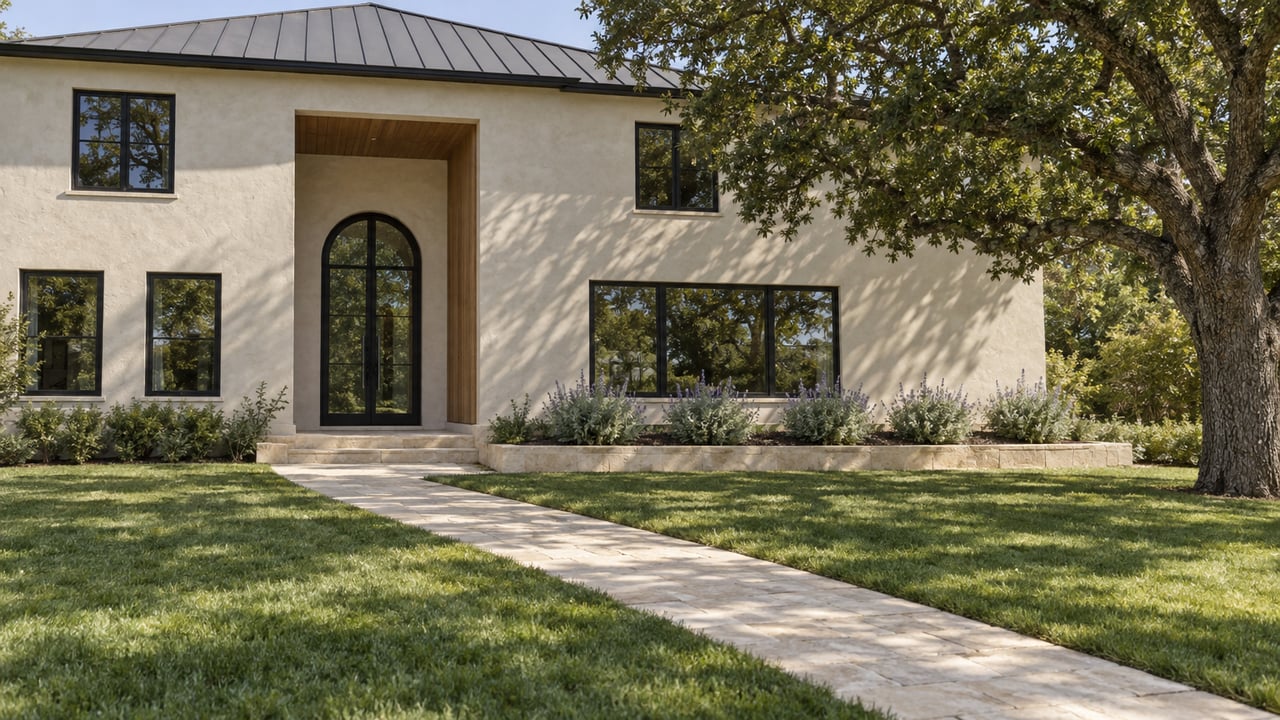
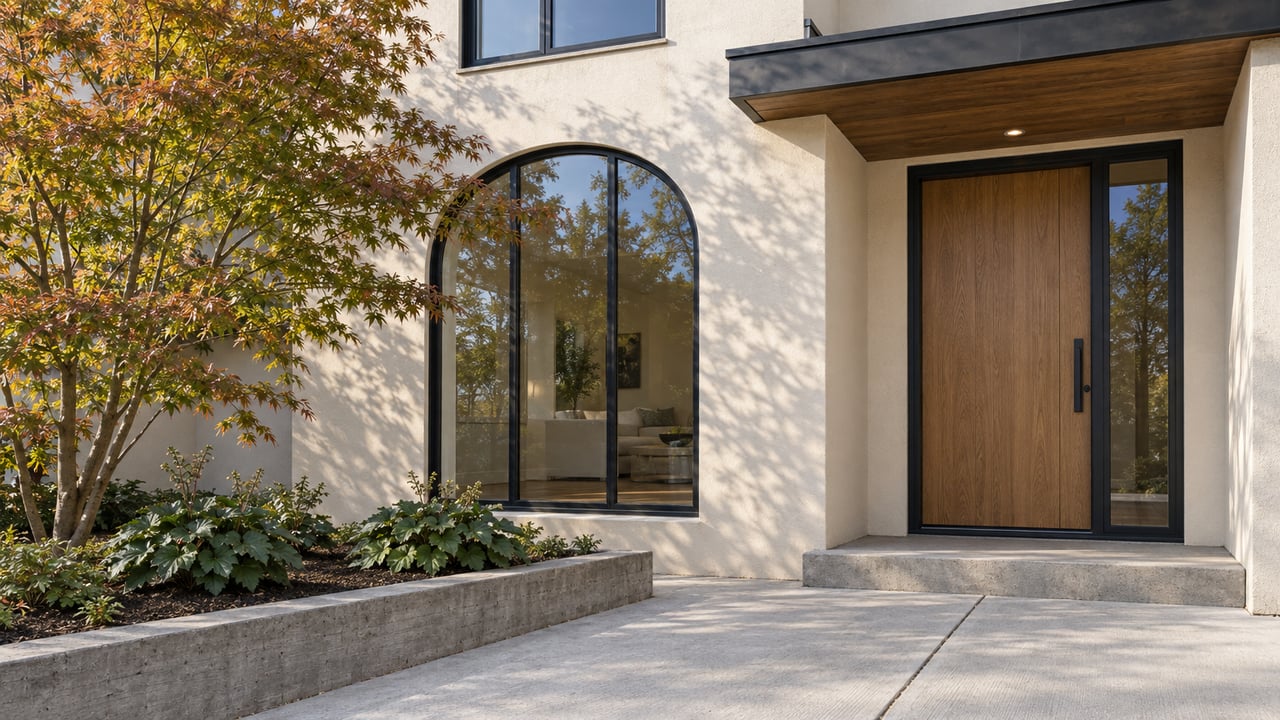
Belmont is still predominantly a single-family city. City land-use materials describe single-family homes as the main form of development, and the housing plan says most neighborhoods are in the hills with low-density single-family homes. If you are looking for an established residential setting, Belmont fits that description well.
A lot of the city’s housing growth happened in the 1950s and 1960s. That means many areas feel mature and settled rather than recently built out. Streetscapes often reflect that established character, which can be appealing if you prefer neighborhoods with a longer-standing residential pattern.
There is some attached housing too
Belmont is not limited to one housing type. The city’s development pipeline includes a modest layer of attached housing near the village and transit corridors, including townhome proposals at Davis Drive and Miramar Terrace. So while single-family homes remain the dominant pattern, there is some variety depending on where you look.
For buyers, that can create options across different budgets and lifestyle preferences. For sellers, it helps to understand that Belmont’s housing story is mostly established and residential, with measured change rather than wholesale transformation.
Everyday life is more residential than urban
Compared with nearby Mid-Peninsula cities, Belmont generally reads as a quieter and smaller-scale option. Its compact footprint, repeated emphasis on small-town ambiance, and village-centered downtown plan all point in that direction. You are more likely to notice neighborhood routines, park access, and trail connections than a dense nightlife scene.
That does not mean Belmont lacks convenience. It means convenience tends to show up in a practical way: access to transit, nearby services, and a manageable daily rhythm. For many people, that combination is exactly why Belmont stands out.
What this means if you are buying in Belmont
If you are considering a move to Belmont, it helps to think beyond commute times and home size. Everyday lifestyle here is shaped by a few key themes:
- A compact city layout
- A village-centered routine around local services and transit
- Strong park and open-space access
- Hilly terrain that affects both views and home siting
- An established housing stock with mostly single-family homes
If those features match the way you want to live, Belmont can be a strong fit. It tends to appeal to people who want a residential feel and outdoor access while staying connected to the broader Peninsula.
What this means if you are selling in Belmont
If you own a home in Belmont, your property is part of a lifestyle story that goes beyond square footage. Buyers are often responding to the city’s quiet scale, wooded hills, open space, and practical location between San Francisco and San Jose. Those are meaningful quality-of-life factors.
That is why thoughtful positioning matters. A Belmont home is often best presented not just as a house, but as part of an established Mid-Peninsula community with a distinctive daily rhythm. Clear marketing, strong presentation, and local context can help buyers understand that value quickly.
If you are thinking about buying or selling in Belmont, Marylene Notarianni offers the kind of calm, local guidance that helps you make sense of both the market and the lifestyle.
FAQs
What is everyday life like in Belmont, CA?
- Everyday life in Belmont is generally quiet, residential, and outdoors-oriented, with routines centered around local parks, Belmont Village, community events, and convenient transit access.
Does Belmont, CA have a walkable downtown area?
- Belmont’s main activity center is Belmont Village, which is planned around the Caltrain station and nearby services rather than a large traditional downtown.
Are there parks and trails in Belmont, CA?
- Yes. Belmont has 14 developed parks on 31 acres and 337 acres of open space for hiking, running, and bike riding.
What kinds of homes are common in Belmont, CA?
- Single-family homes are the predominant housing type in Belmont, especially in the hills, though there is also some attached housing near village and transit areas.
Is Belmont, CA more urban or suburban?
- Belmont generally feels more suburban and residential than urban, with a smaller-scale atmosphere, established neighborhoods, and a village-centered daily rhythm.
How does Belmont, CA compare with nearby Peninsula cities?
- Belmont is often experienced as a quieter, more compact Mid-Peninsula option, where parks, trail access, neighborhood errands, and commute convenience play a bigger role than dense shopping or nightlife districts.